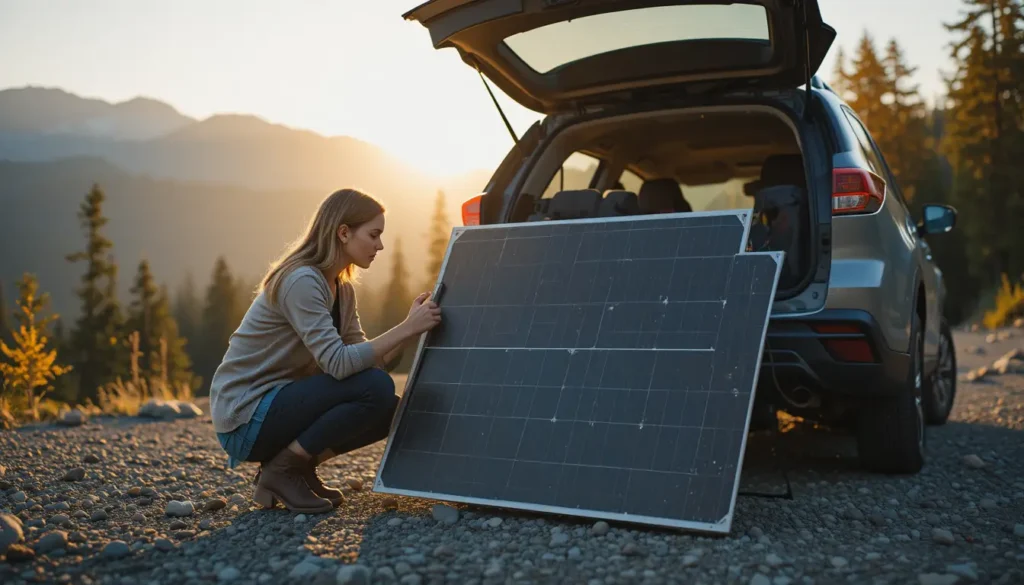
Imagine standing in your driveway, staring at your electricity bill, and realizing there is a better way.
Solar panels are devices that convert sunlight directly into usable electricity for your home, RV, or off-grid setup.
This guide cuts through the noise and identifies which panels deliver reliable power, which brands hold up over time, and which ones waste your money.
| Product Name | Best For | Budget Tier |
|---|---|---|
| ECO-WORTHY 200W HPBC Solar Panel | Best Overall Value | Budget-Friendly |
| Renogy N-Type 400W Solar Panel (2x200W) | Best for Home Rooftops | Mid-Range |
| Jackery SolarSaga 100W Portable Panel | Best for Camping & Portability | Budget-Friendly |
Top Solar Panels Reviewed and Ranked
Every panel on this list was selected based on real buyer feedback, conversion efficiency, build quality, and how well it serves a specific type of user.
You will find options for rooftop installations, weekend camping trips, and everything in between.
1. ECO-WORTHY 200W HPBC Solar Panel — Best Overall Value
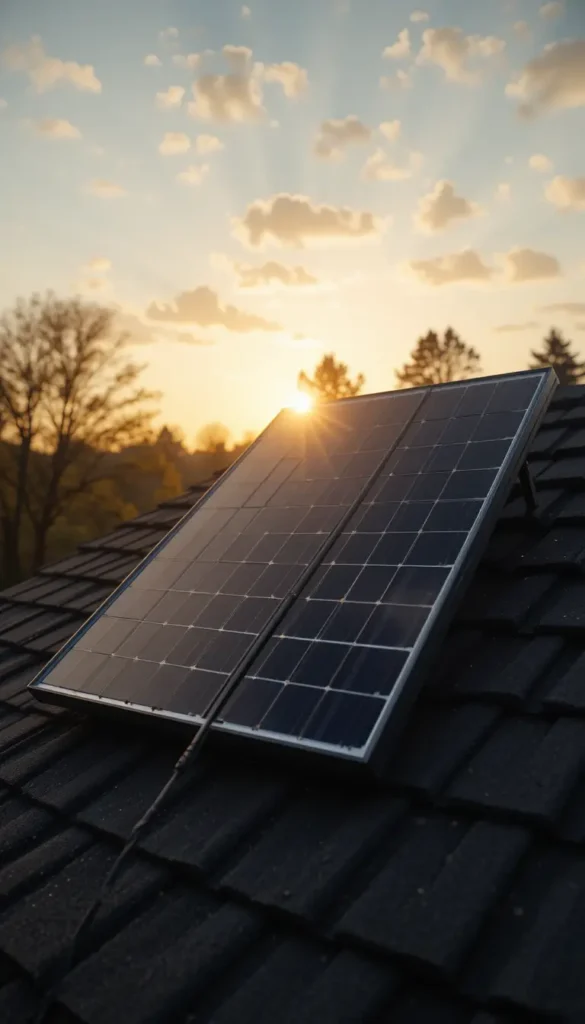
This panel is built for homeowners who want premium-tier efficiency without the premium-tier cost.
It sits in the budget-friendly tier but delivers performance that rivals panels costing significantly more.
Why Buyers Keep Choosing This
- The HPBC cell technology achieves a 25.2% conversion rate, which means you get more power from the same amount of sunlight compared to standard panels.
- The busbar-free design allows the cells to absorb 100% of sunlight across the front surface, eliminating the shading losses that plague conventional panels.
- The all-black aesthetic blends seamlessly with most roof colors, so your home’s curb appeal stays intact while you save on electricity.
The One Thing to Know Before You Buy
This panel requires positioning at a 90‑degree angle to direct sunlight for maximum output, and some power loss occurs when used with a power station rather than a direct battery setup.
This Is Your Best Match If
Choose this one if you are a homeowner looking for a high-efficiency panel with a sleek appearance and you are comfortable mounting it in a fixed position on your roof.
Worth noting, if you need more wattage for a larger home system, the next option doubles the power output.
2. Renogy N-Type 400W Solar Panel (2x200W) — Best for Home Rooftops
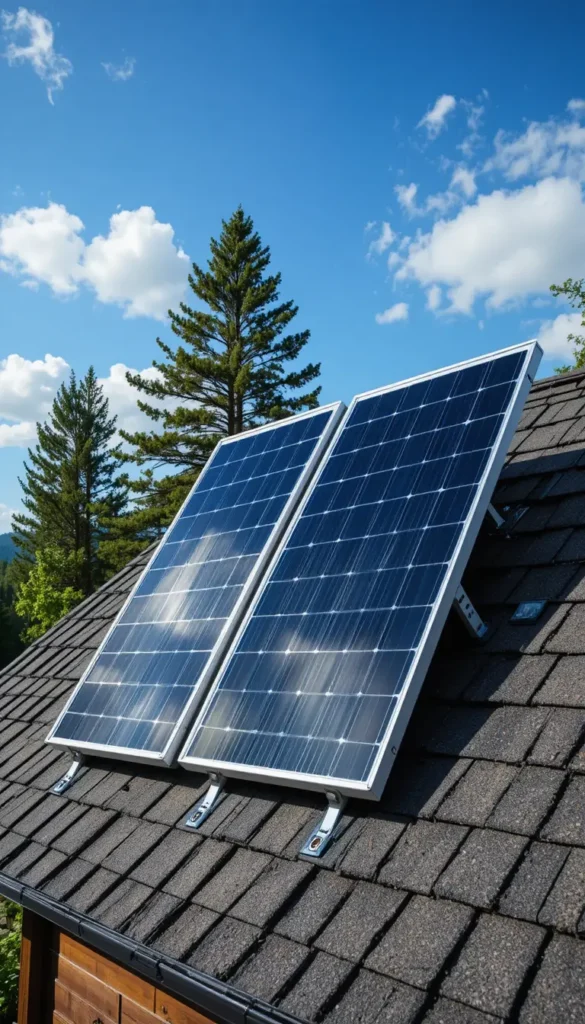
This mid-range kit pairs two 200‑watt panels into a single 400‑watt system designed for 12V or 24V setups.
Renogy is one of the most trusted names in solar, and this kit reflects that reputation.
What It Does Better Than the Rest
- The N‑Type cells with 16BB technology deliver 25% efficiency, outperforming standard 9BB panels that typically max out around 22.5%.
- The corrosion-resistant aluminum frame and low‑iron tempered glass are built to withstand decades of rain, snow, and direct sun without degrading.
- Each panel comes with pre‑installed diodes and cables, so you spend less time wiring and more time generating power.
What Some Buyers Wish They Knew
This is a rigid panel system designed for permanent installation — it is not portable, and you will need a compatible charge controller and battery bank to complete the setup.
Buy This One If You
This is the right pick if you are planning a permanent rooftop or ground‑mount installation for your home, cabin, or farm and you want a reliable, high‑output system from a brand with decades of field data.
In contrast, if you need something you can take on the road, the next panel folds up and goes with you.
3. Jackery SolarSaga 100W Portable Solar Panel — Best for Camping & Portability
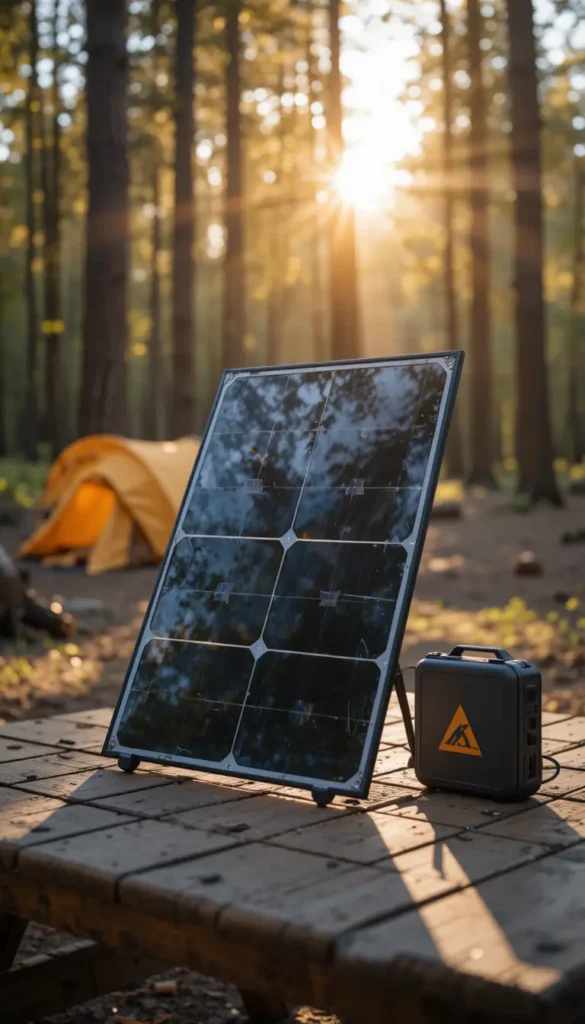
This budget-friendly foldable panel weighs just over four pounds and is designed to pair seamlessly with Jackery power stations.
It is the go‑to choice for weekend adventurers.
Where It Genuinely Delivers
- The bifacial design captures sunlight from both the front and back surfaces, generating up to 20% more energy than single‑sided panels of the same wattage.
- At 4.52 pounds and with a foldable design, it packs down small enough to fit in a backpack or car trunk without weighing you down.
- The IP68 waterproof rating means you can leave it outside in the rain without worrying about damage.
The Honest Part Nobody Mentions
The 100‑watt output is ideal for charging phones, tablets, laptops, and small power stations, but it will not run major appliances or power a full household.
Who Gets the Most from This
This is the right pick if you are a camper, van‑lifer, or emergency prepper who needs a lightweight, waterproof panel that sets up in seconds and keeps your devices charged off‑grid.
That said, if you need more power for an RV or boat, the next option delivers four times the output.
4. MHPOWOS 400W Bifacial Portable Solar Panel — Best Premium Portable Power
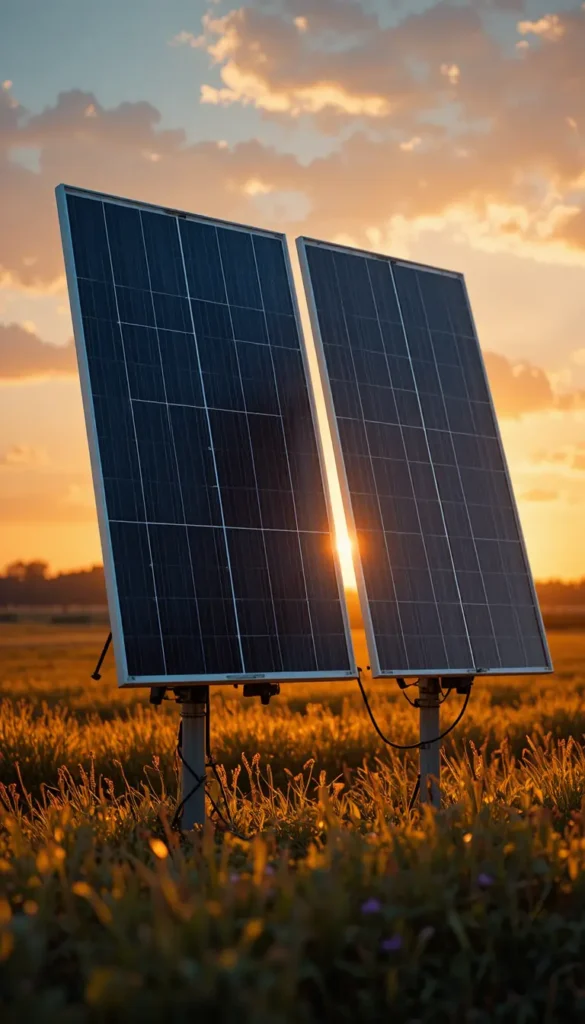
This premium portable panel folds up for transport but delivers serious wattage.
It is built for RV owners, boaters, and anyone who needs substantial power away from the grid.
What Stands Out Immediately
- The bifacial design captures light from both sides, generating up to 20% more energy than traditional single‑sided panels — a massive advantage in the portable category.
- It is 25% to 35% lighter than traditional 400‑watt panels, making it manageable for one person to set up and take down.
- The adjustable kickstands let you angle the panel toward the sun for optimal output, no matter where you are camped.
Before You Add to Cart
At 11 kilograms, this is still a substantial piece of equipment. It is portable in the sense that it folds and stores, but you will not be tossing it in a daypack.
Choose This If You
Choose this one if you need high wattage in a portable form factor for your RV, boat, or off‑grid cabin and you are willing to invest in a premium solution that delivers serious power.
By comparison, if you are building a full‑home system and want the highest possible efficiency, the next panel is designed for that exact purpose.
5. ECO-WORTHY 400W Bifacial Solar Panel (2x195W) — Best for Off‑Grid Cabins
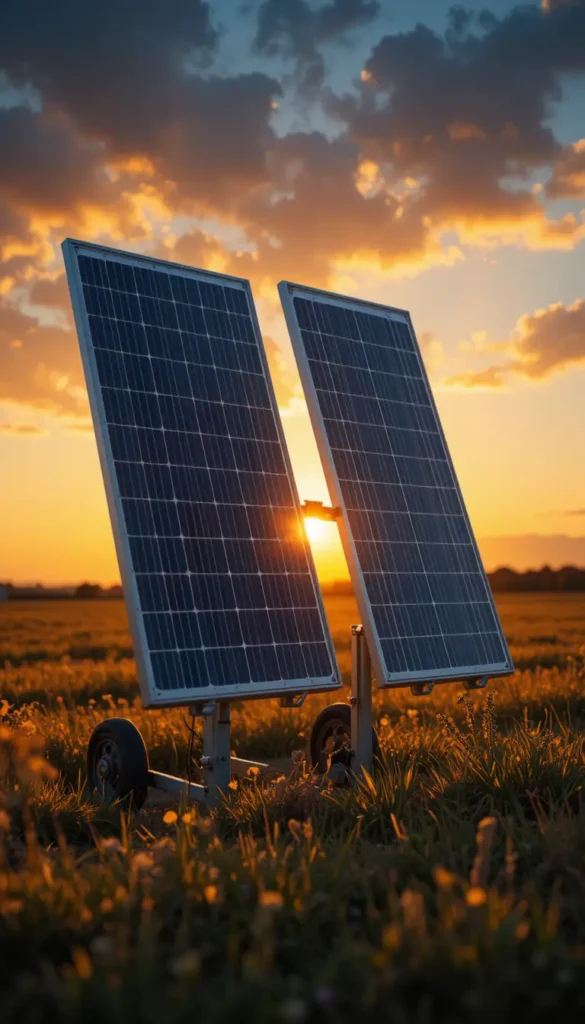
This mid-range kit includes two 195‑watt bifacial panels that generate a combined 400 watts.
It is designed for off‑grid applications like cabins, sheds, farms, and RVs.
The Reasons It Made Our List
- The bifacial backsheet has a transmittance of nearly 91.5%, capturing refracted light from the ground to increase total power generation.
- Under ideal conditions, this system generates 500 watt‑hours per day, which is enough to keep lights, a small refrigerator, and devices running in a remote setting.
- The panels are rigid and durable, with an aluminum frame that holds up to snow loads and high winds.
Where It Falls Short
This is a rigid panel system, so it requires a flat or slightly angled mounting surface. It is not flexible and will not conform to curved RV roofs.
The Right Buyer for This
This is the right pick if you are setting up an off‑grid cabin, farm shed, or remote workspace and you need a durable, weather‑resistant panel system that delivers reliable daily power.
And finally, if you want maximum flexibility for curved or irregular surfaces, the last option is built specifically for that.
6. YINGGUANG 1000W Flexible Solar Panel Kit (10x100W) — Best for Curved Surfaces
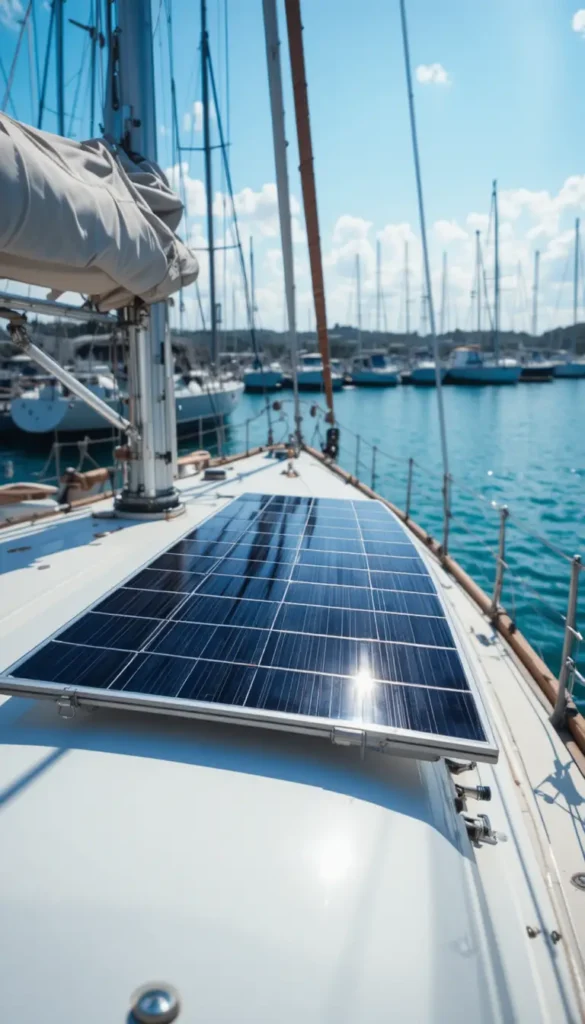
This premium kit includes ten 100‑watt flexible panels that combine for a total of 1,000 watts.
It is designed for RVs, boats, sailboats, and any surface that is not perfectly flat.
Why This One Gets Recommended
- The flexible design conforms to curved surfaces like RV roofs, boat decks, and vehicle tops, which rigid panels simply cannot do.
- Advanced polymer materials make these panels 75% lighter than traditional glass panels, so you are not adding excessive weight to your vehicle.
- The frameless design and six reinforced mounting holes make installation straightforward on virtually any surface.
The Real Trade‑Off
Flexible panels typically last less time than rigid glass panels, and the 21% conversion rate is lower than the 25%+ rates found on premium rigid options.
This One Fits You If
Choose this one if you are installing solar on a curved RV roof, boat deck, or vehicle and you need panels that bend to fit the surface without compromising too much on output.
With that in mind, understanding what separates a high-quality panel from a disappointing one will help you make a confident decision.
What Separates a Good Solar Panel from a Bad One
Conversion Efficiency
Conversion efficiency is simply how much sunlight the panel turns into usable electricity.
Look for panels with at least 20% efficiency. Premium panels reach 25% or higher.
Every percentage point matters because it means more power from the same amount of roof space.
Cell Technology
Monocrystalline cells are the gold standard for efficiency and longevity.
Polycrystalline panels cost less but produce less power per square foot.
N‑Type cells and HPBC technology represent the latest advancements, delivering better performance in low light and higher overall output.
Durability and Weather Resistance
Check the IP rating. IP68 means the panel is fully dust‑tight and can withstand continuous immersion in water.
Look for corrosion‑resistant aluminum frames and low‑iron tempered glass that can handle hail, snow, and high winds without cracking.
Warranty and Support
A 25‑year performance warranty is the industry standard for quality panels.
Shorter warranties often indicate lower confidence in the product.
Also consider the brand’s customer service reputation — you want support that answers within 24 hours, not weeks.
Mounting and Installation
Rigid panels require flat surfaces and proper mounting hardware.
Flexible panels work on curved surfaces but may have shorter lifespans.
Consider whether you are comfortable with a permanent installation or need something portable that sets up in minutes.
Budget Tiers Without the Price Tags
Budget‑friendly panels give you solid performance for basic needs like charging devices or running small appliances.
Mid‑range panels offer higher efficiency and better durability for permanent installations.
Premium panels deliver the latest technology, maximum efficiency, and extended warranties for serious users who want the best.
Features That Actually Matter (And Ones That Don’t)
Bifacial Technology
Bifacial technology sounds impressive, and it genuinely delivers 20% more energy in the right conditions — but only if you mount the panel where light can reach the back side.
On a dark rooftop with no reflective surface below, you lose that advantage.
So bifacial is a game‑changer for ground mounts and light‑colored surfaces, but overhyped for dark roofs.
Bypass Diodes
On the other hand, bypass diodes look like a minor technical detail, but they matter enormously.
When one part of the panel is shaded, bypass diodes let the rest of the panel keep producing power.
Without them, a single leaf or shadow can knock out your entire array. That is a feature you genuinely want.
Mistakes Most Buyers Make When Choosing a Solar Panel
Buying Based on Wattage Alone
Wattage matters, but efficiency and build quality determine how much of that wattage you actually get in real‑world conditions.
A 400‑watt panel with 25% efficiency outperforms a 400‑watt panel with 19% efficiency every single time, especially in low light.
Look at the whole picture instead of just the wattage number.
Ignoring the Charge Controller
Your solar panel is only half the system. Without a quality MPPT charge controller, you lose a significant portion of your generated power.
Many buyers spend hours researching panels and then grab the cheapest controller, undermining their entire investment.
Always budget for a proper charge controller alongside your panels.
Underestimating Installation Complexity
Rigid panels require mounting brackets, proper sealing, and often professional installation.
Flexible panels are easier to install but may not last as long.
Buyers frequently choose a panel without thinking through how they will actually mount it, then end up with a system that never gets installed.
Chasing the Lowest Price
A cheap panel with low efficiency and a short warranty costs you more in the long run because you replace it sooner and generate less power while it works.
The upfront savings disappear within a couple of years of underwhelming output.
Focus on value rather than the absolute lowest price.
Frequently Asked Questions
How much do solar panels cost?
Solar panel prices vary widely based on wattage, efficiency, and whether you buy a kit or individual panels. The budget tier labels in this guide — budget‑friendly, mid‑range, and premium — give you a clear sense of what to expect without quoting specific numbers that change daily.
Can solar panels power a whole house?
Yes, but it depends on how many panels you install and how much sunlight your location receives. A typical home needs anywhere from 15 to 25 panels to cover full electricity usage. The 400‑watt and 1000‑watt systems in this guide are good starting points for partial or full off‑grid setups.
Are solar panels worth it for a small RV or van?
Absolutely. A 100‑watt portable panel like the Jackery SolarSaga keeps phones, laptops, and small power stations charged. A 400‑watt system can run lights, a small refrigerator, and ventilation fans. The key is matching the panel output to your actual energy consumption.
What is the difference between monocrystalline and polycrystalline solar panels?
Monocrystalline panels are made from a single crystal structure and offer higher efficiency (20‑25%) and better performance in low light. Polycrystalline panels are made from multiple crystals and are slightly less efficient but often more budget‑friendly. For most home and RV applications, monocrystalline is the better choice.
How long do solar panels last?
Quality solar panels come with 25‑year performance warranties and often last 30 years or more with minimal degradation. Flexible panels may have shorter lifespans due to the materials used, typically 10‑15 years. The rigid glass panels from brands like Renogy and ECO‑WORTHY are built to last decades.
Our Final Recommendation
The ECO‑WORTHY 200W HPBC Solar Panel takes the top spot because it delivers 25.2% efficiency and genuine HPBC technology at a budget‑friendly tier — a combination that is hard to beat for homeowners.
If you are on a tighter budget or need portability, the Jackery SolarSaga 100W is the clear winner for campers and weekend adventurers.
For permanent off‑grid installations, the Renogy N‑Type 400W system offers the reliability and output you need.
Whichever panel fits your situation, the key is matching the technology to your actual use case.
Click through to Amazon, read the latest reviews, and choose the panel that solves your specific energy problem.
Read About: Best 3D Printer for Home Use in 2026 – Expert Picks

Ali Hamza Lali is the Founder and Chief Administrator of TechDoAction. A digital strategist with a background in web infrastructure and emerging technology, he built the site’s Lifestyle Tech and Tutorials section, helping readers navigate everyday tech through practical guides. He now also leads Smart Home Gadgets hands-on testing the devices that make modern living safer and smarter. When he isn’t managing site operations, Ali shares expert commentary on digital trends and home automation.