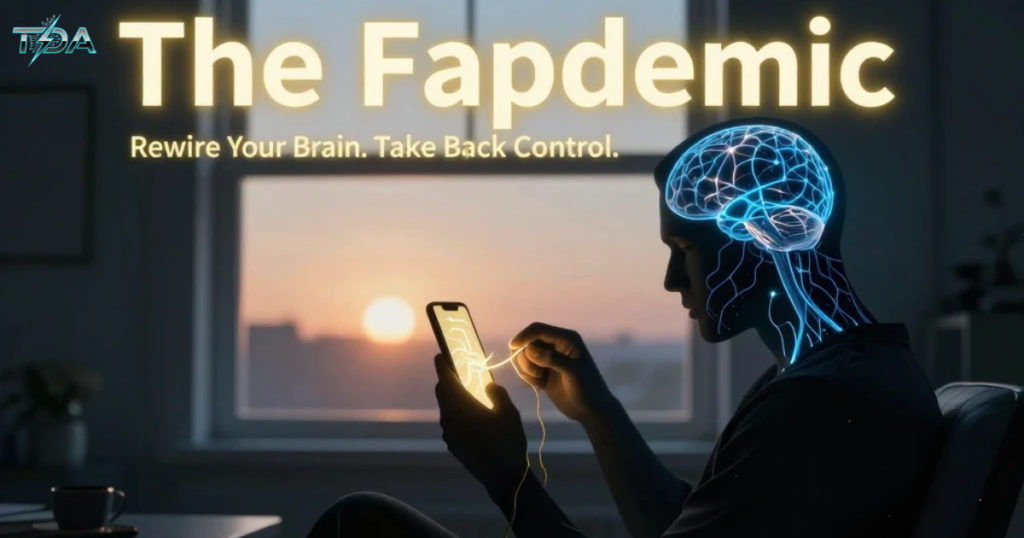
Look, I’m going to shoot straight with you. You know that moment when you tell yourself, “just five minutes on the phone,” and suddenly it’s dark outside, your eyes hurt, and you’ve lost the whole evening? Or that heavy mental fog that comes over you and makes even tiny things, like opening a book or answering a message, feel like too much work? If you’re nodding right now, relax. You’re not weird or alone. A ton of guys are dealing with the same thing these days, and we’ve started calling it the fapdemic. I’ve talked to enough people about it to realise how common it actually is, even though nobody really wants to say it out loud.
This isn’t some official disease name or a joke that will blow over in a week. The fapdemic is what slowly happens when digital overstimulation takes over your daily life. Think super-fast internet, algorithms that know exactly how to keep you hooked, and that never-ending stream of quick rewards that retrain your brain to always want the next hit. It often shows up as compulsive adult-content habits, but it goes much deeper than that. It’s our normal brains, the ones that grew up in a slower, harder world, getting completely overloaded by all the tech we have today.
I’m going to explain everything in simple words. We’ll go over how the fapdemic started, what it does to your dopamine system, and how it quietly ruins your focus, your mood, your relationships, and sometimes your body too. I’ll share a couple of real stories from people I know. The most important part is the step-by-step plan; later stuff you can actually start without feeling overwhelmed. And if you want the whole thing ready-made with trackers and support, I’ll show you a product that has already helped a lot of ordinary people get their lives back.
Let’s jump in. Because the minute you understand what the fapdemic is doing to you, you already start taking some power back, your mind clears a bit, motivation comes back, and normal days stop feeling so empty.
What Exactly Is the Fapdemic?
Fapdemic is just the combination of “fap,” that everyday slang for compulsive self-stimulation, and “epidemic.”
It might sound funny or like a meme at first. But underneath, it’s pointing to something serious: this growing wave of digital overstimulation that is quietly changing how so many of us feel pleasure, stay motivated, or keep any real purpose in life.
It didn’t happen overnight. When fast internet became normal, smartphones stayed in our pockets, and algorithms learned exactly what keeps us scrolling, everything became available instantly and privately. What used to take effort became effortless. Our brains were never designed for this constant, perfectly matched dopamine rush.
But the fapdemic isn’t only about adult content. It’s the larger problem of how dopamine desensitization makes normal life feel boring and not worth doing. Social media, videos, and games all feed the same loop. In the end, you get this constant fight with attention, energy, and real human connection. It hits young people the hardest, I’ve seen it myself.
The Science: How Dopamine Desensitization Hijacks Your Brain
Let me explain the brain part without getting too technical, because this is what really surprised me. At the core of the fapdemic is dopamine, the chemical most people now call the “molecule of more.” It gives you that little buzz when you’re excited for food, a date, or finishing something difficult. In normal amounts, it’s useful and helps you chase good things.
During the fapdemic every swipe and every new video floods your brain with too much dopamine at once. Your brain tries to protect itself by lowering the sensitivity of its receptors. This is called dopamine desensitization. After a while, normal activities like walking outside or talking to someone stop feeling good. You need stronger and faster stimulation just to feel okay. It’s not laziness. Your brain is literally being hijacked by too many easy rewards.
My friend Alex was a software developer in his late twenties. He used to be sharp and get things done fast. After a couple of years of heavy scrolling and late-night habits, he told me he felt like he lived in a thick mental fog every day. Work became hard. Things he once liked doing felt pointless. He wasn’t lazy; his reward system had been completely rewired to only react to instant hits. That’s the fapdemic in real life.
The same cycle also weakens your focus, your self-control, and your ability to enjoy slower rewards. People stuck in digital overstimulation usually end up with lower natural dopamine levels, so only the next quick thing can wake their brain up.
The Real-Life Damage: From Productivity Slump to Broken Connections
The worst thing about the fapdemic is that it doesn’t stay in your head. It spreads into every part of your life.
Productivity often suffers first. We have more tools than ever, but many people feel completely unmotivated. Big goals that need time and effort start looking pointless compared to the fast buzz from a screen. Students can’t focus on studying. Workers stare at empty screens and wonder where their drive went. That “why bother” feeling is usually not about weak character; it’s dopamine desensitization doing its job.
Mental health gets affected too. Lots of people report more anxiety, low moods, or that flat feeling where nothing gives real joy anymore. The guilt-shame cycle makes everything worse: you use the screen to feel better, feel worse after, and repeat.
Relationships take a hit in quiet ways. When online content sets unrealistic standards for sex, bodies, or closeness, real moments can feel disappointing or stressful. Partners feel ignored. Social skills get rusty because real conversations need patience and presence, two things the fapdemic trains out of you. Many young men feel lost and without direction. Many women struggle with body image because of all the perfectly filtered images. Slowly, real life gets replaced by screens, and loneliness sets in.
On the body side, all that sitting and staring leads to less movement, bad sleep, and constant tiredness. Some guys notice lower energy, problems with real-life arousal, or just feeling exhausted most of the time.
The hopeful part? Brains can change. When you give them better habits, they start rewiring, often faster than you expect.
Spotting the Signs: Are You in the Fapdemic?
Before we talk about fixing it, take a moment for an honest check. Common signs are:
- Losing hours on high-stimulation sites without planning to
- Feeling restless or annoyed when you try to stop
- Normal tasks feel boring or too difficult
- Guilt or shame after using
- Pulling away from friends, family, or old hobbies
- Having unrealistic ideas about sex or relationships
If some of these match your life, don’t beat yourself up. You’re not broken. You’re just caught in a trap that catches a lot of us. Noticing it is already a big first step.
Your Step-by-Step Guide to Beating the Fapdemic
Getting out doesn’t mean you have to use pure willpower or quit everything at once. I’ve seen that fail too many times. It’s smarter to make small, steady changes that let your brain adjust. Here’s the simple roadmap that has helped a lot of regular people:
Step 1: Build Awareness (Week 1)
Start easy. For seven days, just watch what you do. Write in your phone notes how much time you spend on apps and how you feel after. No self-criticism, just the facts. Many guys say seeing the numbers creates one of those “wow, that’s bad” moments that finally hits home.
Step 2: Create Boundaries and Start a Gentle Detox (Weeks 1–2)
Put basic limits in place. Use free blockers or your phone’s screen-time settings. Try no screens one hour before bed. Maybe do a short weekend break from the bad apps and replace it with a walk. A lot of people notice their mind feels lighter sooner than they expected.
Step 3: Replace the Habit, Don’t Just Remove It (Weeks 2–4)
Cold turkey usually doesn’t stick. It’s better to swap the quick old reward for something that feels good longer. Pick one real activity: lifting weights, playing guitar, cooking proper food, or joining a casual sports group. These give steadier dopamine hits that rebuild real motivation.
Step 4: Strengthen Your Mind and Body (Ongoing)
Spend a few minutes each day on simple mindfulness or meditation. Move your body most days and try to get seven to nine hours of sleep. These aren’t extras. They are the base that makes everything else work. Many guys say the mental fog starts lifting in the first couple of weeks when they stay consistent.
Step 5: Get Support and Stay Accountable
Tell a friend you trust or join an online group where people understand. If it feels heavier, talk to a professional who knows CBT. They can help with any anxiety or loneliness behind it. You don’t have to fight this completely alone.
People who follow this usually notice clearer thinking after a couple of weeks, growing confidence after one month, and solid new habits plus better relationships by three months. It’s not magic. It’s your brain doing what it does best when you give it a chance.
The Product That Makes It All Easier: The Fapdemic Freedom Blueprint
If you want the complete system already made for you, daily trackers, short videos, guided meditations, habit sheets, and a private group for support, then check out the Fapdemic Freedom Blueprint. I made it after watching too many people fight the same cycle, and it turns the steps above into something easy to follow every day.
Many guys have already used it to break through the mental fog, get their drive back, and start enjoying real life again. I like how practical it is, how it uses real science, and that it comes with a 30-day guarantee try it, see the difference, or get your money back with no questions. You can buy it confidently because the feedback is consistent: better focus, steadier moods, stronger relationships, and a brain that finally works with you instead of against you.
Ready to leave the fapdemic behind? Get the Fapdemic Freedom Blueprint here and start your reset today. Don’t sit waiting for motivation to appear. Just take the step, you’ll be glad you did.
If you want to learn more about pleasure and balance, Dopamine Nation by Dr. Anna Lembke is a great read. You can get it here:Dopamine Nation on Amazon.
Need a community of people going through the same thing? The official NoFap site is helpful.
For clear research on how porn affects the brain,Your Brain on Porn is one of the best places.
FAQ
What exactly is the fapdemic?
It’s the big increase in compulsive digital habits often linked to adult content caused by digital overstimulation and dopamine desensitization. It’s more than a funny word; it’s a real pattern that affects focus, mood, and relationships.
Is the fapdemic the same as addiction?
It behaves a lot like behavioral addiction. You build tolerance, feel bad when you try to stop, and keep going even when it hurts you. The good news is your brain can recover well with the right steps.
Can I fix it without quitting everything cold turkey?
Yes. The plan above uses gentle boundaries, replacement habits, and support instead of extreme willpower.
Will my motivation and focus really come back?
For most people, yes. The mental fog usually starts lifting in 2–4 weeks, with bigger improvements showing up in 1–3 months if you stay consistent.
Is moderate self-pleasure still okay?
Yes — normal healthy sexual expression isn’t the problem. The fapdemic is about the compulsive side that steals your time, energy, and real enjoyment.
Conclusion
The fapdemic is real, there’s no denying that. But it doesn’t have to decide the rest of your story. You now have a clearer picture of what’s happening in your brain and why some normal days feel so flat. Even better, there’s a practical way out, one small, realistic step at a time.
Whether you start with the ideas here or go with the Fapdemic Freedom Blueprint for the full package, the next move is yours. Your attention, your drive, your relationships, and the life you actually want, they’re all worth fighting for. The screens will still be there, but your real life has been waiting.
So go ahead. Take that first step today. You’ve got this, and the person you become on the other side feels way more awake and in control.
Also Read: Aleksandra Plus: Your Ultimate Guide to Style, Confidence, and Authentic Connection in 2026

Ali Hamza Lali is the Founder and Chief Administrator of TechDoAction. A digital strategist with a background in web infrastructure and emerging technology, he built the site’s Lifestyle Tech and Tutorials section, helping readers navigate everyday tech through practical guides. He now also leads Smart Home Gadgets hands-on testing the devices that make modern living safer and smarter. When he isn’t managing site operations, Ali shares expert commentary on digital trends and home automation.