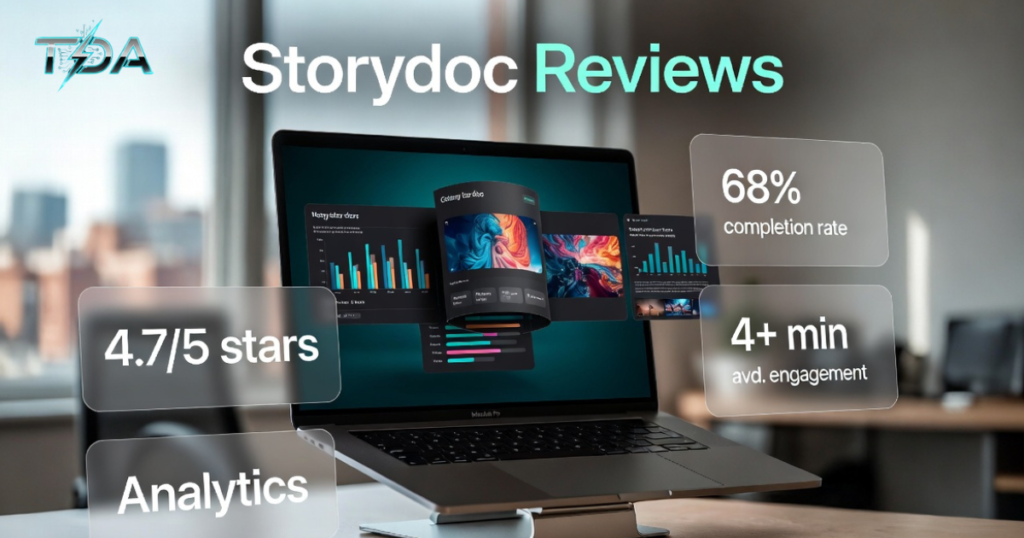
Storydoc reviews refer to the real feedback, ratings, and detailed opinions shared by everyday users about the Storydoc platform. These Storydoc reviews come from business owners, sales teams, and marketers who have actually used the tool to create interactive presentations. They cover everything from how easy it feels to the results it delivers in real life. If you are searching for straightforward thoughts on whether Storydoc lives up to the hype as an AI presentation maker, you are in the right place.
In this article, we dive deep into what people say after trying Storydoc. We pull from hundreds of user stories across different platforms to give you a clear picture. You will see why so many professionals now choose Storydoc over old-school tools like PowerPoint. Plus, we include a simple step-by-step guide so you can picture yourself using it right away. By the end, you will feel confident about whether Storydoc is the right fit for your next pitch, proposal, or sales deck.
Let us start by looking at what makes Storydoc stand out in the crowded world of presentation tools.
What Makes Storydoc Different from Traditional Tools
Most presentation software gives you a blank page and expects you to figure everything out alone. Storydoc flips that idea on its head. It is built from the ground up as an AI presentation maker that focuses on business storytelling. Instead of static slides that sit in an email, Storydoc creates interactive presentations that live on the web. These decks feel alive. They track who opens them, how long people read, and even which parts get the most attention.
Users in Storydoc reviews often mention how refreshing this shift feels. One small business owner shared, “I used to send PDFs that got ignored. After switching to Storydoc, my clients actually read the whole thing and replied faster.” This kind of story pops up again and again. The platform turns ordinary documents into trackable experiences that drive real action.
Moreover, Storydoc uses smart AI to handle the heavy lifting. You type a short description of your goal, and the AI presentation generator builds a full deck with structure, headlines, and even suggested text. Then you tweak it with a simple drag-and-drop editor. No design degree required. This speed is why many Storydoc reviews highlight time savings of up to seventy percent compared to building decks the old way.
Key Storydoc Features That Users Love
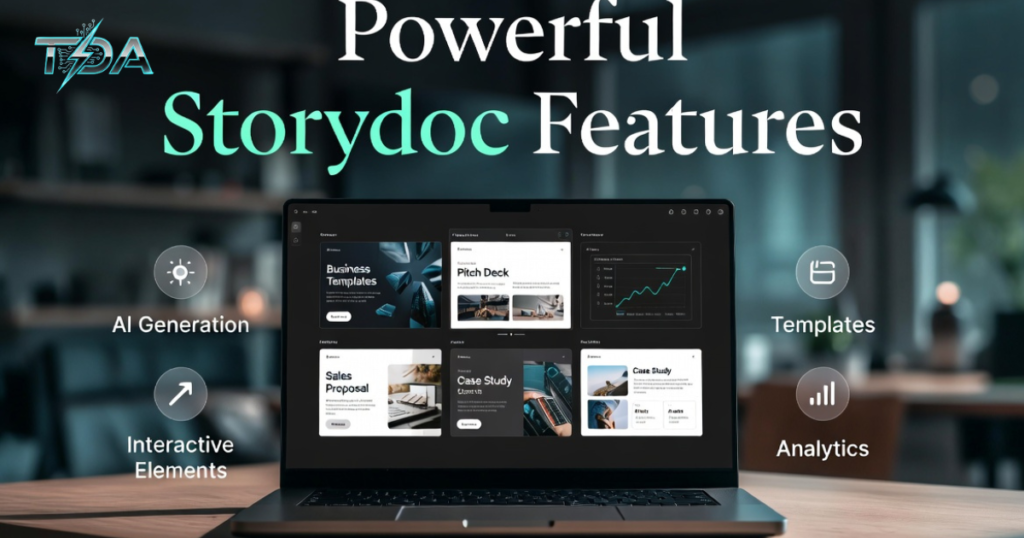
AI Presentation Generator
When people leave Storydoc reviews, they keep coming back to this standout feature. You feed it a prompt like “create a sales proposal for a SaaS product targeting mid-size companies,” and it spits out a polished, ready-to-edit deck in minutes. The AI pulls context from your input so the copy feels on-brand and goal-focused, not generic filler.
Interactive Presentations
This is where Storydoc truly shines. Every deck can include smooth animations, scroll-triggered reveals, embedded videos, and live charts that update automatically. These elements make your message stick. One marketing manager told in her Storydoc reviews how prospects spent four minutes on her deck instead of the usual forty-five seconds with a PDF. That extra time led to more meetings booked.
Customizable Templates
Storydoc offers a rich library designed for real business needs: pitch decks, one-pagers, case studies, proposals, and sales decks. Each one follows a proven narrative flow. You set your brand colors, fonts, and logo once, and every template adapts instantly. Drag-and-drop editing keeps things simple even if you are not a designer.
CRM Personalization and Analytics
Storydoc connects with popular CRM tools so you can pull in prospect names, company details, and deal info automatically. The built-in analytics are a game-changer. You see exactly when someone opens the deck, which slides they linger on, whether they click your call-to-action, and if they forward it. This data turns a one-way send into smart sales intelligence.
Security and Sharing Options
You control access levels and get real-time updates without worrying about old versions floating around. These features explain why Storydoc reviews from sales teams often call it a “must-have” for closing deals faster.
Storydoc Pitch Deck
Storydoc is an interactive platform that transforms traditional slide decks into scroll-driven, web-based pitch decks designed for the modern startup fundraising journey.
Unlike PowerPoint, Storydoc creates immersive stories, not just slides. With its advanced AI StoryBrain, you can generate a complete, investor-ready deck in minutes, while deep engagement analytics show you exactly how investors interact with each section, slide by slide. You’ll see what captivates them and where they drop off.
The platform ensures your pitch is fully responsive on any device and can be packed with interactive charts, videos, live calendly links, and lead capture forms. Use dynamic variables to instantly personalize every deck at scale with a click.
Storydoc helps startups not just ask for funding, but prove their market fit with a trackable, high-impact narrative. If you want a pitch deck that works as hard as you do, try Storydoc today.
Step-by-Step Guide: How to Create Your First Interactive Deck in Storydoc

Wondering if Storydoc is truly beginner-friendly? Here is a clear, step-by-step walkthrough based on what actual users do every day. Follow along and you will have a professional deck ready in under an hour.
Step 1: Sign up and start your free trial.
Head to the platform and create an account. The free trial gives full access so you can test everything without risk. No credit card needed upfront. Once inside, you will see a clean dashboard that feels welcoming.
Step 2: Choose your starting point.
Click the big “Create new story” button. You can pick from the AI generator or browse the template library. For your first time, try the AI route. Type a short prompt describing your presentation goal. Be specific: include your industry, audience, and what you want to achieve. Hit generate and watch the magic happen.
Step 3: Review and customize the AI output.
The AI presentation generator builds the full structure for you. Scroll through the slides. Swap images, edit text, and drag blocks around. Add your logo and brand colors in the settings panel. Everything updates across the deck instantly. If you want to embed a video or live chart, just click the plus icon and choose the element.
Step 4: Make it interactive.
Turn on scroll animations or add clickable buttons that lead to your website. Test the flow by previewing the deck in a new tab. It should feel smooth and engaging, like a modern web page rather than a boring slide show.
Step 5: Add personalization and analytics.
Connect your CRM if you use one. This step lets the deck auto-fill prospect details. Then set up tracking so you get notifications when someone views your work.
Step 6: Share and follow up.
Copy the unique link and send it via email. Because the deck lives online, you can update it anytime without breaking old links. Watch the analytics dashboard for insights and reach out at the perfect moment.
Users in Storydoc reviews say this whole process feels surprisingly simple. One founder joked, “I built my first investor pitch in thirty minutes while drinking coffee. My old PowerPoint took three days.” Try the steps yourself during the free trial and see the difference.
Also Read: Windsurf Review: Is This AI Code Editor Actually Worth Switching to in 2026
Storydoc Pricing: Clear Options That Fit Different Needs
Pricing often comes up in Storydoc reviews, so let us break it down simply. It offers three main plans with no permanent free tier, but the free trial removes any guesswork.
The Starter plan begins at around nineteen dollars per month when paid yearly. It includes basic AI credits, essential analytics, and enough slides for most solo users. Next is the Pro plan at thirty-six dollars monthly on the yearly option. This unlocks more AI credits, unlimited slides and templates, deeper analytics, and stronger security. Teams that need custom reporting or extra support choose the custom Teams plan.
Many Storydoc reviews note that the value quickly outweighs the cost. One sales rep shared how a single closed deal paid for a full year of Pro. Remember, you can test every feature in the trial before spending a dime. This low-risk entry is why people feel good about signing up.
Real User Stories from Storydoc Reviews

Nothing beats hearing straight from people who have used the tool. Here are some real anecdotes pulled from Storydoc reviews across different sites.
Take Sarah, a startup founder preparing for investor meetings. She had struggled with clunky slides that never got read. After discovering Storydoc, she used the AI presentation maker to create a pitch deck in one afternoon. The interactive format kept investors scrolling, and the analytics showed exactly who spent the most time on her financials. Sarah closed a six-figure round two weeks later. She now leaves glowing it saying the tool “changed how I present forever.”
Then there is Mike from a mid-size sales team. He bought a lifetime deal during an early promotion but hit a small snag with branding options. Support responded quickly, explained the setup, and helped him customize everything. In his updated Storydoc reviews, Mike praises the product quality and notes that any early hiccups were fixed fast. His team now sends personalized proposals that get three times more engagement than before.
Not every story starts perfect. A few AppSumo buyers mentioned extra costs for full white-labeling, but most agree the core tool delivers huge value. One reviewer said, “The product itself is fantastic. Once I got past the initial setup questions, my proposals started converting like never before.” These honest Storydoc reviews show the platform keeps improving based on user input.
On the flip side, some users wanted broader templates for very niche industries. Yet even they admitted the existing library covers ninety percent of business needs. Overall, the positive stories far outnumber the small complaints, especially when you look at recent Storydoc reviews.
Pros and Cons: A Balanced Look at Storydoc
Every tool has strengths and weaknesses, and fair Storydoc reviews mention both. On the pro side, the AI presentation generator saves massive time. Interactive presentations boost engagement dramatically. Built-in analytics give you superpowers for follow-up. Templates look professional right out of the box, and the editor stays easy for non-designers. Customer support earns repeated praise for being responsive and helpful.
On the con side, a handful of earlier users noted occasional integration tweaks with certain CRMs. Some mentioned that full custom domains require an add-on. Yet most Storydoc reviews from the last year say these issues have been smoothed out or are minor compared to the benefits. The platform continues to evolve, and the free trial lets you check everything for yourself.
When you weigh it all, the pros clearly win for anyone who needs presentations that actually convert.
Who Should Use Storydoc and Why It Delivers Results
Storydoc shines brightest for sales reps, marketers, founders, and consultants who send proposals, pitch decks, or reports regularly. If your success depends on people actually reading and acting on your documents, this tool is built for you.
Consider a real estate agent who used it to create market update decks. Clients loved the scrollable format and video embeds. Engagement jumped, and referrals increased. Another example comes from a SaaS company that doubled its demo request rate after switching to interactive presentations. These stories prove the platform delivers measurable business impact.
Even if you are not a huge enterprise, Storydoc scales beautifully. Small teams get the same powerful analytics that big companies enjoy. The result? More confidence in your materials and faster deal cycles.
Storydoc Reviews Compared to Other Tools
While Storydoc reviews often compare it to older options, the differences stand out. Traditional tools lack the tracking and interactivity that make Storydoc special. Some competitors offer e-signatures but fall short on AI speed and engagement data. Users say Storydoc strikes the perfect balance for storytelling that converts.
FAQ
Does Storydoc have a free plan?
No permanent free plan exists, but a full-featured free trial lets you build and test real decks before paying.
What file formats can Storydoc export?
It works best as a shareable web link. You can export to PDF or PowerPoint, though some interactive elements stay strongest in the live version.
Is Storydoc good for SMB pitch decks?
Yes, it excels here. The AI helps craft investor-ready narratives, and the interactive style makes your deck memorable.
How does Storydoc’s AI presentation generator work?
Type a clear prompt about your goal, and the AI builds a complete structured deck with layout and suggested copy. You then customize it easily.
Can Storydoc integrate with my CRM?
It connects with popular tools like HubSpot and Salesforce, pulling data for personalized decks and feeding analytics back.
Conclusion
After reading through dozens of Storydoc reviews, one thing becomes crystal clear: It delivers on its promise as a powerful AI presentation maker. It saves time, boosts engagement, and gives you insights that help close more deals. The interactive format feels modern and professional, while the simple editor keeps things accessible for everyone. Sure, a few early users bumped into small setup details, but the platform has grown stronger, and the free trial removes every risk.
If you are tired of presentations that get ignored, it is time to try something better. Thousands of happy users already switched and never looked back. You can too. Start your free trial today and experience the difference for yourself. Visit Storydoc to begin creating decks that actually convert. Your next big win could be just one interactive presentation away.

Haseeb Ur Rehman Lali is the lead technical author at TechDoAction, known for decoding the latest advancements in Artificial Intelligence and Software and Security Solutions for a global audience. His research-driven articles on AI frameworks and software solutions remain some of the site’s most trusted resources. He also leads Tech Gift Guides, applying the same research-first approach to help readers find gear worth packing or gifting. His mission stays the same: turn complex choices into clear, practical knowledge readers can use immediately.