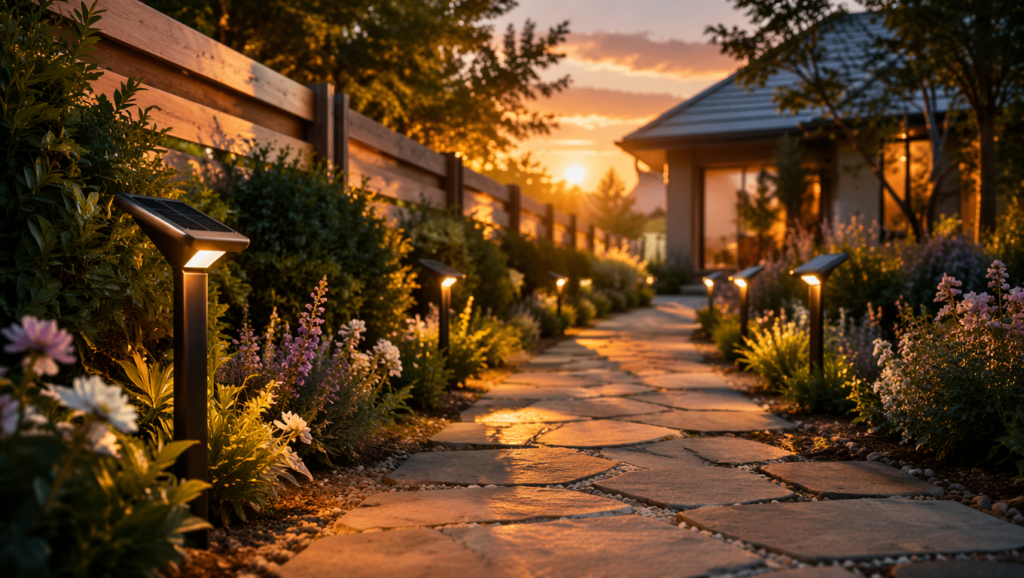
Outdoor solar lights are lighting fixtures that use sunlight to power LED bulbs for illuminating outdoor spaces. They have small solar panels that absorb sunlight during the day, convert it into electricity, and store it in rechargeable batteries for nighttime use. People search for these lights because they want to reduce electricity costs, avoid complicated wiring, and add beauty or security to their gardens, pathways, and patios.
If you have ever struggled with dim outdoor spaces, high energy bills, or the hassle of running electrical wires through your yard, outdoor solar lights offer a practical solution. Many homeowners are discovering that these lights provide a simple way to enhance their property without the expense and effort of traditional lighting. Whether you want to light up a dark walkway, highlight your garden features, or add a warm glow to your patio, solar-powered options are worth considering.
What Are Outdoor Solar Lights?
Outdoor solar lights are self-contained lighting units designed for exterior use. Each light typically includes a photovoltaic solar panel, a rechargeable battery, LED bulbs, a light sensor, and a durable housing. During daylight hours, the solar panel captures sunlight and converts it into electrical energy, which charges the internal battery. When darkness falls, the built-in sensor automatically turns on the LED lights using the stored energy.
These lights come in many styles and sizes to suit different needs. Some are small stake lights for garden paths, while others are powerful floodlights for security purposes. The common factor is that they operate completely off-grid, meaning no electrical connection is required. This makes them incredibly versatile for any outdoor setting where running wires would be difficult or expensive.
Why People Need Outdoor Solar Lights
Many homeowners face common pain points that outdoor solar lights can solve effectively. Let us look at these challenges and how solar lighting addresses them.
High Electricity Bills from Outdoor Lighting
Traditional outdoor lights consume electricity every night, adding to monthly utility costs. Solar lights use free sunlight, so they do not increase your electric bill. This is especially valuable for people who want to keep their outdoor areas lit without worrying about rising energy costs.
Complicated and Expensive Installation
Running electrical wires through gardens, under pathways, or along fences requires professional help and can be costly. Outdoor solar lights eliminate this problem entirely. Most models are ready to use straight out of the box. You simply place them where they receive sunlight, and they start working automatically.
Dark and Unsafe Outdoor Spaces
Poorly lit pathways, driveways, and entryways create safety hazards. People can trip, miss steps, or feel uneasy in the dark. Solar lights provide illumination exactly where it is needed, making outdoor areas safer for family members and guests.
Limited Access to Electrical Outlets
Many outdoor areas, such as the far end of a garden or a detached shed, lack nearby power sources. Running extension cords is not safe or practical. Solar lights work anywhere there is sunlight, making them perfect for remote locations.
Key Features Breakdown
Understanding the features of outdoor solar lights helps you choose the right ones for your needs. Here are the most important aspects to consider.
Brightness Measured in Lumens
Lumens tell you how much light a fixture produces. For decorative pathway lights, 20 to 60 lumens is usually sufficient. For security purposes, you need brighter lights in the range of 100 to 200 lumens or more. Some powerful floodlights can produce over 2,500 lumens for maximum visibility. Always check the lumen rating to ensure the light matches your intended use.
Battery Capacity and Runtime
The battery determines how long your lights stay on after dark. Look for models that offer 8 to 12 hours of illumination on a full charge. Higher-quality lights use lithium-ion or nickel-metal hydride batteries that perform better and last longer than cheaper alternatives. Some premium models can run up to 15 hours, which is ideal for long winter nights.
Weather Resistance and IP Ratings
Outdoor lights must withstand rain, snow, dust, and temperature changes. The IP (Ingress Protection) rating tells you how well a light resists water and dust. An IP65 rating means the light is dust-tight and protected against water jets, making it suitable for most outdoor conditions. IP66 and IP68 ratings offer even higher protection against heavy rain and immersion. Always choose lights with at least an IP65 rating for reliable outdoor performance.
Solar Panel Efficiency
The solar panel converts sunlight into electricity. Monocrystalline panels are generally more efficient than polycrystalline ones, meaning they charge faster and work better in low-light conditions. Look for lights with high-quality panels that can capture energy even on cloudy days. Some models feature adjustable panels, allowing you to angle them toward the sun for optimal charging.
Motion Sensor Technology
Many solar security lights include motion sensors that detect movement and trigger bright illumination. This feature saves battery power by keeping lights off until needed. It also serves as a deterrent for unwanted visitors. Motion sensors typically have a detection range of 10 to 30 feet and a detection angle of 120 to 270 degrees.
Lighting Modes and Controls
Some solar lights offer multiple modes, such as dim light sensor, strong light sensor, and constant illumination. Others include remote controls for easy operation from a distance. Smart solar lights can even be controlled through smartphone apps, allowing you to adjust brightness, colors, and schedules.
Real-Life Benefits of Outdoor Solar Lights
Beyond the basic features, outdoor solar lights deliver genuine benefits that improve daily life.
Zero Electricity Costs
Once you install solar lights, they operate for free. The sun provides the energy, so you never receive a bill for running them. Over time, the savings add up significantly compared to traditional wired lighting.
Environmental Friendliness
Solar lights use renewable energy, reducing your carbon footprint. By choosing solar, you contribute to a cleaner environment while enjoying beautiful outdoor lighting. This is a small but meaningful step toward sustainable living.
Easy DIY Installation
You do not need an electrician to install outdoor solar lights. Most models simply require placing them in the ground, mounting them on a wall, or hanging them from a hook. The entire process takes minutes, and you can reposition lights easily if you change your mind about the layout.
Enhanced Safety and Security
Well-lit outdoor spaces deter intruders and reduce the risk of accidents. Motion-activated solar lights provide an extra layer of security by startling anyone who approaches your property after dark. They also help you see clearly when arriving home late at night.
Versatile Design Options
Solar lights come in countless designs, from classic lanterns to modern sleek fixtures. You can find lights that match your home’s architectural style and your personal taste. Decorative solar lights add charm and character to gardens, while functional ones provide practical illumination.
Step-by-Step Usage Guide for Outdoor Solar Lights
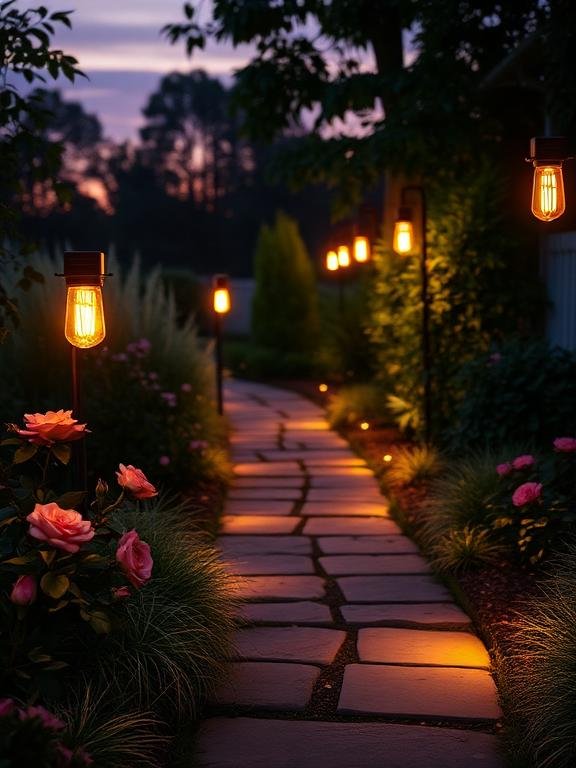
To get the best performance from your outdoor solar lights, follow these simple steps.
Step 1: Choose the Right Location
Place your solar lights where they will receive direct sunlight for at least 6 to 8 hours each day. Avoid shaded areas under trees, eaves, or near tall structures that block the sun. Remember that the solar panel needs full sun exposure to charge the battery completely.
Step 2: Install Correctly
For stake lights, push them firmly into the ground along pathways or garden beds. For wall-mounted lights, use the included screws and brackets to attach them securely at a height of 5 to 7 feet for optimal coverage. Make sure the solar panel faces south (in the northern hemisphere) for maximum sunlight absorption.
Step 3: Allow Initial Charging
Before using your new solar lights, let them charge for one to two full sunny days. This ensures the battery reaches its full capacity. Many lights come with a protective film on the solar panel that must be removed before charging.
Step 4: Test and Adjust
After the initial charge, check the lights after dark to see if they provide the desired illumination. If a light seems dim, try moving it to a sunnier location. Adjust the angle of adjustable solar panels to capture more sunlight during the day.
Step 5: Maintain Regularly
Keep the solar panels clean by wiping them with a soft cloth every few weeks. Dust, dirt, and leaves can reduce charging efficiency. Check the batteries periodically and replace them every 2 to 4 years for continued performance.
Step 6: Prepare for Winter
During winter, shorter days and snow cover can reduce performance. Clear snow from solar panels promptly and consider moving lights to sunnier spots if possible. Some lights are designed to operate in temperatures as low as -4°F, making them suitable for cold climates.
Read About : Smart Coffee Maker: The Ultimate Guide to Brewing Smarter in 2026
Best Product Recommendations
Here are some of the best outdoor solar lights available in 2026, chosen for their performance, durability, and value.
1. TECKNET 416 LED Solar Lights – Best for Security
These lights deliver an impressive 4,200 lumens of brightness with a 300-degree ultra-wide lighting angle. They feature a high-conversion solar panel and an IP66 waterproof rating, making them suitable for harsh weather conditions. The 416 LEDs provide bright, clear illumination that covers large areas effectively. This is an excellent choice for driveways, backyards, and perimeter security. It is better for homeowners who need maximum brightness and wide coverage.
2. Philips 3600LM Solar Security Lights – Premium Pick
Philips offers a premium option with 3,600 lumens of dimmable output. The separate solar panel connects via a 16-foot cable, allowing you to place the panel in optimal sunlight while positioning the lights where you need them. The two-year warranty provides peace of mind. This light is ideal for homeowners who want reliable performance from a trusted brand. It is more suitable for those who value brand reputation and extended warranty.
3. Tuffenough Solar Outdoor Lights – Best Value
With 2,500 lumens output and a 270-degree wide angle, these lights offer strong performance at an affordable price. The included remote control lets you switch between three lighting modes easily. The IP65 waterproof rating ensures durability in various weather conditions. This is a great option for budget-conscious buyers who do not want to compromise on quality. It is ideal for beginners looking for a reliable entry-level option.
4. BITPOTT Solar Pathway Lights – Best Decorative Design
These pathway lights feature a monocrystalline solar panel and a 1.85Wh rechargeable battery for efficient charging. The warm white tungsten-style filament bulbs create a beautiful vintage glow that enhances garden paths and flower beds. They provide 12 to 14 hours of illumination and require no tools for installation. This is perfect for homeowners who want attractive lighting that also performs well. It is better for decorative purposes rather than high-security needs.
5. MinPea Solar Spot Lights – Best for Landscape Highlighting
This 10-pack of spotlights features 76 high-output LEDs per unit and an adjustable solar panel that can be angled from 0 to 90 degrees. The IP65-rated ABS housing provides reliable weather protection. With three lighting modes and runtimes up to 15 hours, these lights are ideal for illuminating trees, statues, and architectural features. This is more suitable for garden enthusiasts who want to highlight specific landscape elements.
Comparison Table
| Product | Price | Key Feature | Best For |
|---|---|---|---|
| TECKNET 416 LED | Mid-High | Ultra-bright, wide angle | Security, large areas |
| Philips 3600LM | High | Premium quality, 2-yr warranty | Brand reliability |
| Tuffenough | Low-Mid | Remote control, good value | Budget buyers |
| BITPOTT Pathway | Low | Vintage design, long runtime | Garden pathways |
| MinPea Spotlights | Mid | Adjustable panel, 15hrs | Landscape highlighting |
Buying Guide – What to Check Before Purchase
Before you buy outdoor solar lights, consider these important factors to ensure you make the right choice.
Purpose and Placement
Decide what you need the lights for. Are you illuminating a pathway, adding security, or creating ambiance? Different purposes require different brightness levels and designs. Pathway lights typically need 50 to 100 lumens, while security lights need 200 lumens or more. Consider where you will place them and whether the location receives adequate sunlight.
Battery Quality and Runtime
Check the battery type and capacity. Lithium-ion batteries generally perform better than older nickel-cadmium types. Look for lights that offer at least 8 hours of runtime on a full charge. Longer runtime is especially important during winter when days are shorter.
Durability and Weather Resistance
Inspect the build quality and materials. Lights with ABS plastic or metal housings last longer than those made from cheap materials. Ensure the IP rating is at least IP65 for reliable outdoor use. This protects against rain, snow, and dust.
Solar Panel Quality
Higher-quality solar panels charge faster and work better in cloudy conditions. Monocrystalline panels are more efficient than polycrystalline ones. Adjustable panels are beneficial because they allow you to angle them toward the sun.
Installation Requirements
Most solar lights are plug-and-play, but some require mounting. Check whether the package includes mounting hardware. Consider whether you prefer ground stakes, wall mounts, or hanging options based on where you plan to install the lights.
Warranty and Customer Support
A good warranty indicates the manufacturer’s confidence in the product. Look for at least a one-year warranty, and read customer reviews to gauge the reliability of the product and the responsiveness of customer service.
Who Should Buy Outdoor Solar Lights vs Who Should Avoid
Who Should Buy
Outdoor solar lights are ideal for homeowners who want to reduce electricity costs and simplify installation. They are perfect for people who enjoy DIY projects and do not want to hire an electrician. Garden enthusiasts will appreciate the wide variety of decorative options available. Renters can benefit from solar lights because they are easy to install and remove without damaging the property. Anyone with outdoor spaces that lack electrical outlets will find solar lights extremely useful.
Who Should Avoid
If you live in an area with very little sunlight for much of the year, solar lights may not perform optimally. While they can still charge on cloudy days, they will not be as bright or last as long. People who need extremely bright, consistent lighting regardless of weather conditions may be better served by hardwired electrical lights. Additionally, if you are not willing to clean the solar panels occasionally or replace batteries every few years, solar lights may require more maintenance than you prefer.
FAQ Section
How long do outdoor solar lights last on a full charge?
Most outdoor solar lights provide 8 to 12 hours of illumination on a full charge. Premium models can last up to 15 hours. The actual runtime depends on the battery capacity, the amount of sunlight received during the day, and the brightness setting used.
Can outdoor solar lights work in cloudy weather?
Yes, solar lights can still charge on cloudy days, but they may not store as much energy. This means they might not run as long or be as bright as they would be after a full day of direct sunlight. High-quality solar panels perform better in low-light conditions.
Are outdoor solar lights waterproof?
Many outdoor solar lights are water-resistant or waterproof. Always check the IP rating before purchasing. An IP65 rating or higher is recommended for reliable outdoor use. This ensures the lights can withstand rain, snow, and dust without damage.
Do outdoor solar lights need wiring?
No, outdoor solar lights do not require any wiring. They are self-contained units powered by onboard rechargeable batteries charged through the solar panel. This makes installation simple and allows placement anywhere there is sunlight.
How often should I replace the batteries in outdoor solar lights?
Most outdoor solar lights last 2 to 4 years before the batteries need replacement. Regular cleaning of the solar panels and proper maintenance can extend battery life. When the lights no longer hold a charge as long as they used to, it is time to replace the batteries.
Conclusion
Outdoor solar lights offer a practical, cost-effective, and environmentally friendly way to illuminate your outdoor spaces. They eliminate the need for expensive wiring, reduce electricity bills, and provide reliable lighting for pathways, gardens, and security purposes. With a wide range of styles and brightness levels available, there is a solar light for every need and budget.
When choosing your lights, consider the purpose, brightness requirements, battery life, weather resistance, and solar panel quality. Take time to install them in sunny locations and maintain them regularly for the best performance. Whether you want to enhance your home’s curb appeal, improve safety, or simply enjoy your garden after dark, outdoor solar lights are a smart investment that pays off every night. Start with a few lights and see the difference they make. You may find yourself adding more to brighten every corner of your outdoor space.

Ali Hamza Lali is the Founder and Chief Administrator of TechDoAction. A digital strategist with a background in web infrastructure and emerging technology, he built the site’s Lifestyle Tech and Tutorials section, helping readers navigate everyday tech through practical guides. He now also leads Smart Home Gadgets hands-on testing the devices that make modern living safer and smarter. When he isn’t managing site operations, Ali shares expert commentary on digital trends and home automation.