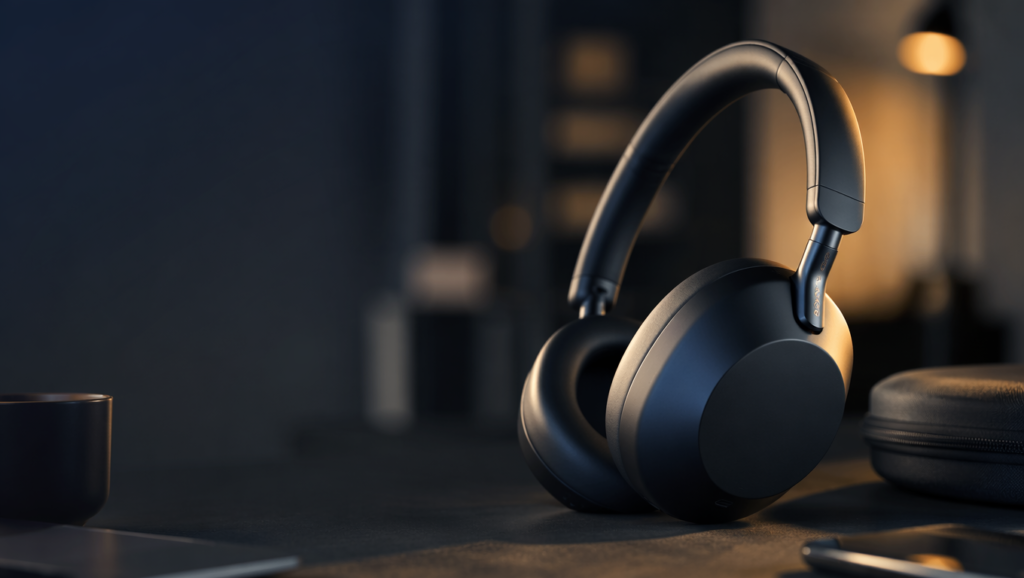
Noise cancelling headphones are audio devices equipped with technology that actively reduces unwanted background sounds, allowing you to hear your music, podcasts, or calls more clearly. These headphones use built-in microphones to detect ambient noise and create inverted sound waves that cancel out the noise before it reaches your ears. People search for noise cancelling headphones because they want to focus better, enjoy entertainment without distractions, and protect their hearing from loud environments.
What Are Noise Cancelling Headphones?
Noise cancelling headphones use active noise cancellation (ANC) technology that employs microphones and processors to analyze ambient sound and create opposing sound waves. When external noise and these opposite waves meet, they neutralize each other, leaving you with a quieter experience. Unlike earplugs that rely purely on blocking sound, noise cancelling headphones actively fight against unwanted noise in real-time.
Modern noise cancelling headphones connect wirelessly via Bluetooth, include microphones for calls, and offer extended battery life. Many models feature touch controls, voice assistants, and customizable sound profiles. The combination of wireless convenience and noise reduction technology makes these headphones essential for anyone who values focused listening time.
Why Do People Need Noise Cancelling Headphones?
In today’s world, silence is rare and valuable. Office workers face constant chatter, phone calls, and meetings. Travelers experience engine noise on planes, trains, and buses. Students struggle with roommates and traffic noise. Parents juggle children while trying to work from home.
Without noise cancelling headphones, these situations force you to increase volume levels just to hear your content. Louder volume damages hearing over time and creates fatigue. You also miss important details, feel stressed by interruptions, and struggle to concentrate on tasks requiring focus. Unwanted noise affects your mood and energy levels, leaving you exhausted despite reasonable work hours.
Beyond concentration issues, quality audio matters for professional calls and meetings. Background noise creates embarrassment and miscommunication during important conversations. Colleagues in traditional offices also hear your personal details. Noise cancelling headphones protect your privacy while ensuring other people hear you clearly. This is particularly important for remote workers conducting important conversations throughout their day.
Key Features of Quality Noise Cancelling Headphones
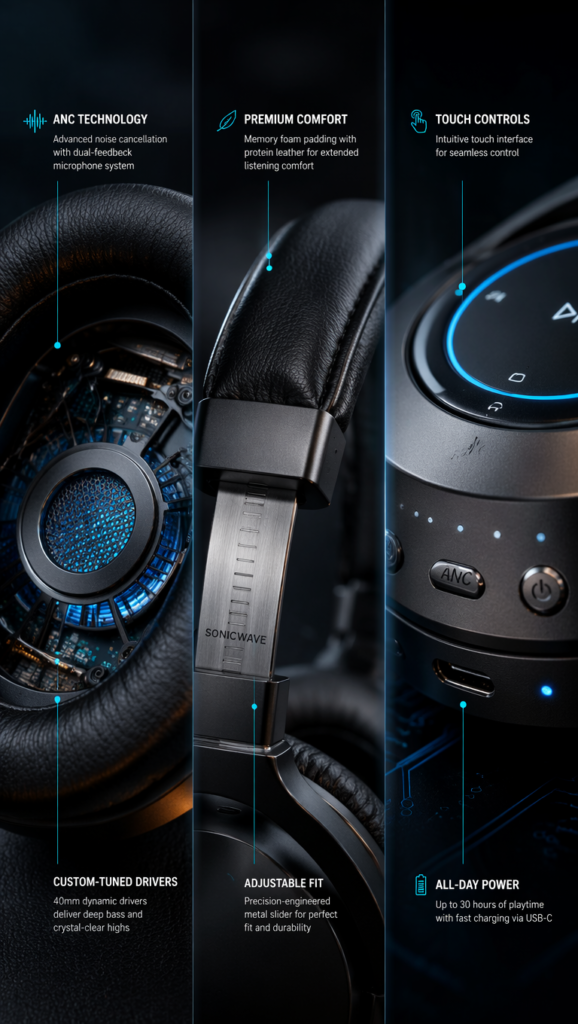
The strength of active noise cancellation varies significantly between models. Higher-end noise cancelling headphones reduce low-frequency sounds like airplane engines more effectively than budget options. However, even affordable noise cancelling headphones offer noticeable improvement over non-cancelling models.
Battery life is critical for daily use. Most noise cancelling headphones offer 20 to 40 hours of listening time, with noise cancellation using slightly more power. Sound quality should deliver clear vocals and balanced audio across music genres and podcasts. Comfort becomes increasingly important with extended wear, so lightweight designs with padded ear cups reduce fatigue.
Connectivity features matter for usability. Bluetooth 5.0 or newer ensures stable connections and multi-device pairing. Some models include 3.5mm audio jacks for wired backup. Touch controls should respond to intentional gestures without accidental triggering. Head detection features pause music when you remove the headphones, saving battery and improving convenience.
Real-Life Benefits of Noise Cancelling Headphones
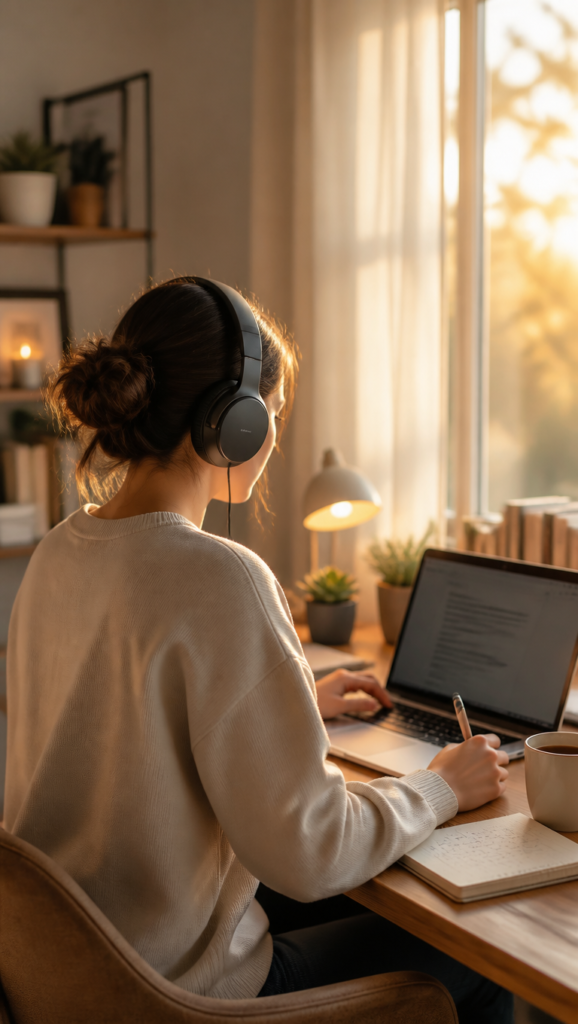
The practical advantages of noise cancelling headphones extend far beyond listening to music. Office workers experience productivity improvements because they encounter fewer interruptions. Research shows that workers using noise cancelling headphones complete focused work significantly faster than those in interrupted environments. The visible headphones create a cultural barrier that reduces unnecessary conversations.
Travelers benefit from dramatically improved comfort on flights and trains. Airplane engine noise registers at 80 to 85 decibels. Noise cancelling headphones reduce this to roughly 60 to 70 decibels, similar to conversation levels. Passengers arrive refreshed and less fatigued, enabling better sleep and faster adjustment to new time zones.
Students using noise cancelling headphones while studying retain information more effectively and spend less time on assignments. The ability to create a quiet study environment increases academic flexibility. Remote workers gain significant professional benefits by protecting family privacy while taking important calls. Clients don’t hear embarrassing background noise, improving confidence during conversations.
Hearing protection represents another overlooked benefit. By reducing background noise, you listen at lower volumes while maintaining clarity. Lower listening volumes protect your hearing long-term and prevent damage from accumulated loud environments. Mental health improvements emerge from reduced stress levels as chronic noise exposure triggers constant stress responses that increase cortisol and adrenaline.
How to Use Noise Cancelling Headphones Effectively
Getting maximum benefit from your noise cancelling headphones requires proper fit and setup. Ensure your ear cups sit firmly around your ears with headphones centered on your head. Enable active noise cancellation through the control button or companion app.
Allow your ears an adjustment period when first wearing noise cancelling headphones. Your hearing system needs a few minutes to adapt to the sudden quiet. Some people experience mild dizziness or vertigo for the first few seconds as their brain adjusts.
Maintain proper volume levels even with noise cancellation active. Many users increase volume too much because they hear more clearly in quiet environments. Keep volume at 60 to 70 percent of maximum for safe listening. Clean your ear cups and headband weekly with a soft, slightly damp cloth to maintain comfort and hygiene.
Pair your headphones correctly with devices by forgetting previous connections if experiencing pairing issues. Check your headphones’ manual for specific pairing instructions for your model.
Best Noise Cancelling Headphones: Top Recommendations
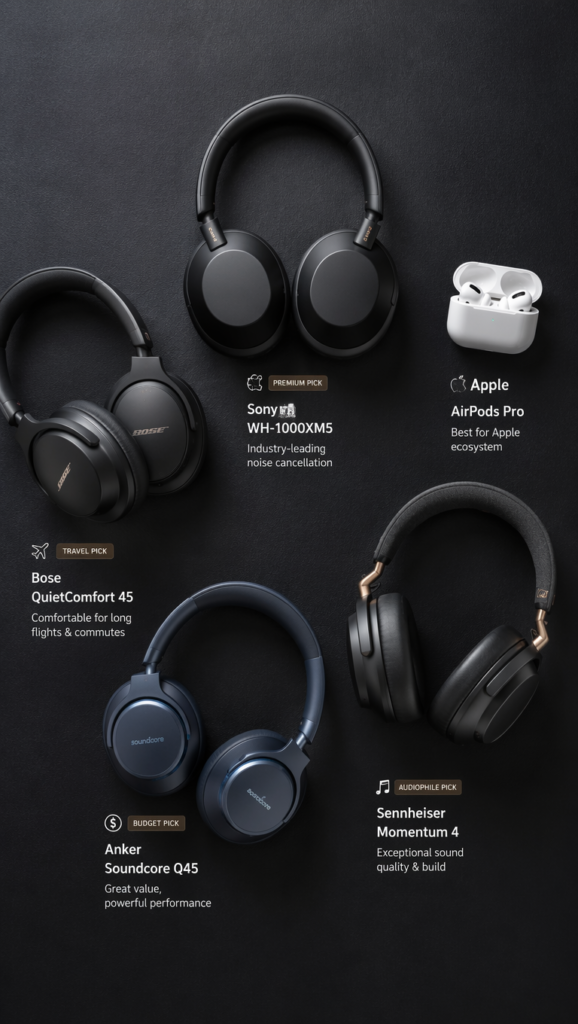
Sony WH-1000XM5 (Premium Choice)
The Sony WH-1000XM5 represents the gold standard in noise cancelling headphones. These wireless headphones deliver industry-leading active noise cancellation that eliminates low-frequency sounds effectively. Sony’s dual noise sensor technology adjusts cancellation in real-time, providing unmatched performance in various environments.
Sound quality matches the impressive noise cancellation with balanced audio across all music genres. Call quality reaches professional standards with multiple microphones capturing your voice while rejecting background noise. Battery life extends to 12 hours with ANC on. These premium headphones cost around $400, making them an investment for serious users who want the most complete noise cancelling experience.
Apple AirPods Pro (Second Generation) (Best for iPhone Users)
Apple AirPods Pro deliver excellent active noise cancellation in a compact design. These wireless earbuds weigh nearly nothing, making them ideal for users who dislike heavy headphones. The H2 chip processes noise cancellation locally on each earbud.
Sound quality emphasizes clarity and spatial audio that creates immersive listening. Transparency mode lets outside sound through when needed. Battery life provides six hours with ANC on, extended to 12 hours with charging case cycles. The earbuds cost $249, making them more affordable than premium over-ear options. For iPhone users seeking seamless integration with their ecosystem, Apple AirPods Pro represent the best choice.
Bose QuietComfort 45 (Best for Travel)
Bose QuietComfort 45 headphones prioritize lightweight, packable design for travelers. These wireless headphones fold compactly and fit easily in carry-on bags. Bose’s renowned noise cancellation technology delivers exceptional performance on airplanes and trains.
Battery life reaches an impressive 24 hours with noise cancellation enabled, addressing travelers’ primary concern about running out of power. Sound quality emphasizes balanced audio that doesn’t fatigue ears during extended sessions. Call quality performs well in noisy environments. These travel-focused headphones cost approximately $379, making them worth the investment for frequent flyers.
Anker Soundcore Space Q45 (Best Budget Option)
Anker Soundcore Space Q45 prove that quality noise cancelling headphones don’t require premium pricing. These wireless headphones deliver surprisingly effective ANC that rivals models costing twice as much. The dual noise cancellation system uses advanced algorithms to adjust strength in real-time.
Sound quality impresses at the budget price point with clear vocals and controlled bass. Battery life extends to 50 hours with ANC on, providing exceptional value for frequent users. Quick charge functionality adds 10 hours of battery from just five minutes of charging. These budget headphones cost around $99, making them accessible to price-conscious buyers seeking quality noise cancellation.
Sennheiser Momentum 4 (Best Sound Quality)
Sennheiser Momentum 4 prioritize audio excellence above all other features. These premium headphones use 42-millimeter drivers that produce rich, detailed sound across the entire frequency spectrum. Whether you listen to classical music, jazz, or hip-hop, these headphones maintain sonic integrity.
Active noise cancellation performs adequately though not matching Sony or Bose. The acoustic engineering reduces ambient noise passively through superior isolation design. Sound quality enthusiasts prefer these headphones for professional listening. Battery life reaches 60 hours, the longest of any major brand. Price hovers around $399 for these reference-quality headphones.
Comparison Table
| Model | Price | ANC Strength | Battery | Best For | Weight |
|---|---|---|---|---|---|
| Sony WH-1000XM5 | $400 | Excellent | 12h (ANC) | All-around use | 250g |
| Apple AirPods Pro 2 | $249 | Very Good | 6h | iPhone ecosystem | 4.3g each |
| Bose QuietComfort 45 | $379 | Excellent | 24h | Travel | 238g |
| Anker Soundcore Q45 | $99 | Good | 50h | Budget buyers | 192g |
| Sennheiser Momentum 4 | $399 | Good | 60h | Audiophiles | 206g |
Buying Guide: What to Check Before Purchase
Before choosing noise cancelling headphones, evaluate your specific use case. Travel-heavy users prioritize battery life and portability. Office workers need comfortable all-day wear with sophisticated controls. Music enthusiasts require balanced sound profiles.
Assess your budget realistically. Premium noise cancelling headphones ($350-400) offer improvements over mid-range models ($200-300). Budget options ($80-150) provide 80 percent of premium performance at half the price. Identify which features matter most rather than paying for unnecessary features.
Test fit and comfort before purchasing when possible. Online retailers with good return policies allow you to try headphones at home for 30 days. Make return flexibility part of your buying decision since headphones uncomfortable after two hours won’t work for daily use.
Verify the noise cancellation level matches your environment. Read detailed reviews from users in your specific environment rather than relying on general ratings. Check compatibility with your devices before purchasing. Compare warranty coverage and customer support options from major brands.
Read user reviews from verified purchase accounts for honest feedback about comfort and real-world performance. Both professional analysis and user experiences provide balanced perspective on which model suits your needs.
Who Should Buy Noise Cancelling Headphones vs. Who Should Avoid
Noise cancelling headphones represent perfect purchases for specific user groups. Frequent travelers take flights multiple times yearly and spend hours in loud environments. Remote workers conducting business calls benefit from privacy and clarity. Students in distracting environments study better with focused periods. Office workers in open-plan spaces need sound barriers that increase concentration. Anyone spending 20+ hours weekly in noisy environments gains meaningful benefit from noise cancellation.
Certain users should avoid or reconsider noise cancelling headphones. Some people develop ear pressure sensations from active noise cancellation. Users with ear anatomy variations struggle to find comfortable fits. People who rarely encounter loud environments don’t need these features and should choose cheaper regular headphones. Minimalist users who prefer simplicity sometimes feel overwhelmed by extensive controls.
Users with hearing aids should consult medical professionals before purchasing. The active cancellation technology can interact unexpectedly with hearing devices. Budget-conscious users without specific noise-related problems should prioritize regular headphones with good passive isolation. You don’t need active noise cancellation for general music listening in reasonably quiet environments.
Frequently Asked Questions
How effective is noise cancelling in really loud environments?
Noise cancelling headphones reduce low-frequency sounds like airplane engines or traffic extremely effectively, creating reductions of 15 to 25 decibels in these frequencies. However, noise cancellation performs less effectively on high-frequency sounds like human speech. You’ll still hear people talking loudly nearby, though the volume decreases noticeably. In extremely loud environments above 95 decibels, noise cancelling headphones reduce noise to conversational levels but don’t create complete silence. Combined with moderate volume music playing, noise cancelling creates enough isolation for focus and concentration even in busy airports or train stations. This makes them invaluable for professional and personal use.
Do noise cancelling headphones drain batteries faster?
Yes, active noise cancellation uses additional battery power because processors continuously analyze and counteract ambient noise. Most quality noise cancelling headphones experience 10 to 15 percent faster battery drain with ANC enabled. Higher-quality models like the Sony WH-1000XM5 optimize power consumption efficiently, while some budget options show more dramatic battery reduction. You can significantly extend battery life by disabling noise cancellation in quieter environments where you don’t need the feature. Strategic use of ANC based on your environment helps maximize daily usage between charges.
Can children use noise cancelling headphones safely?
Noise cancelling headphones designed for adults work safely for children aged eight and older, though comfort might be compromised for younger users due to sizing differences. The active noise cancellation technology itself poses no risks, but you should monitor volume levels carefully. The hearing protection benefit of reduced ambient noise means children can listen at lower volumes, which actually protects developing ears better than regular headphones in noisy environments. Never force children to wear uncomfortable headphones, as this creates negative associations with audio equipment and listening. Many children adapt quickly and enjoy the focused listening experience.
What’s the difference between noise cancelling and noise isolating headphones?
Noise cancelling headphones actively fight unwanted sound using electronic technology and processors, while noise isolating headphones rely purely on physical design to block sound passively. Noise isolating headphones achieve silence through thick padding, tight seals around the ear, and materials that absorb sound. Noise cancelling headphones cost more but cancel unwanted noise even when passive design isn’t perfect. For airplane use and engine noise cancellation, active noise cancelling headphones outperform passive models significantly. Understanding this distinction helps you choose the right type for your specific environment and needs.
How long do noise cancelling headphones last before degrading?
Quality noise cancelling headphones from reputable brands typically maintain excellent performance for three to four years with normal use. Battery capacity gradually reduces over time, reaching roughly 80 percent capacity after 500 charge cycles, approximately two years of daily use. The noise cancelling technology itself doesn’t degrade as it involves digital processing rather than mechanical wear. Earpads eventually break down and can be replaced affordably on most models. With proper care and timely parts replacement, quality noise cancelling headphones can function well for five years or longer, providing excellent long-term value.
Conclusion
Finding the right noise cancelling headphones transforms your relationship with sound and focus. Whether you travel frequently, work in noisy environments, or simply want to protect your hearing, quality noise cancelling headphones deliver measurable improvements in productivity, comfort, and wellbeing. The technology has matured to the point where even budget options provide impressive noise reduction that would have seemed impossible just five years ago.
Your choice between the premium Sony WH-1000XM5, the affordable Anker Soundcore Space Q45, the travel-focused Bose QuietComfort 45, the audiophile-grade Sennheiser Momentum 4, or the ecosystem-integrated Apple AirPods Pro depends entirely on your specific priorities and budget. Each option excels in different areas while delivering the core noise cancelling functionality that makes these headphones valuable investments rather than luxury purchases.
Start by identifying your primary use case and must-have features. Prioritize comfort and fit above all other factors since uncomfortable headphones won’t get used regardless of their features. Read detailed user reviews from people in similar situations as your own. Take advantage of return policies to test headphones in your real-world environment before deciding on a permanent purchase. With careful consideration of these factors and honest self-assessment of your needs, you’ll find noise cancelling headphones that enhance your daily life while protecting your hearing and sanity in our increasingly loud world.
Read About : Best Portable Charger: 5 Options for Every Budget

Haseeb Ur Rehman Lali is the lead technical author at TechDoAction, known for decoding the latest advancements in Artificial Intelligence and Software and Security Solutions for a global audience. His research-driven articles on AI frameworks and software solutions remain some of the site’s most trusted resources. He also leads Tech Gift Guides, applying the same research-first approach to help readers find gear worth packing or gifting. His mission stays the same: turn complex choices into clear, practical knowledge readers can use immediately.