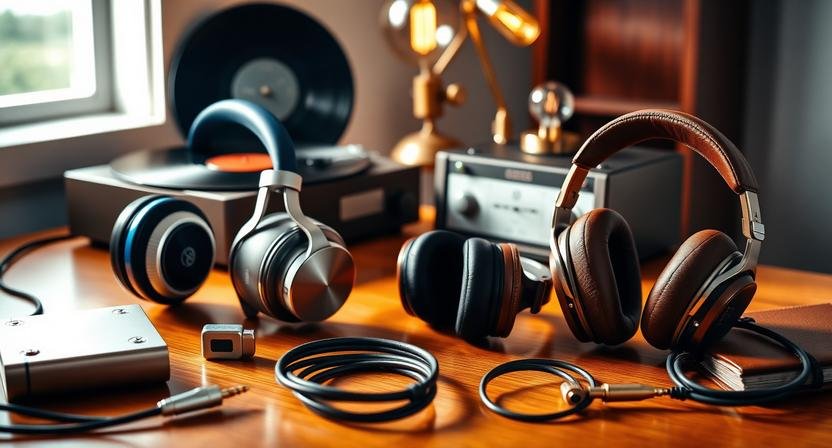
Vintage headphones refer to audio listening devices that were manufactured in past decades, typically before the year 2000, or modern headphones designed to replicate the classic aesthetic and sound characteristics of those earlier eras. These headphones stand apart from modern minimalist designs by featuring retro elements like metal finishes, leather padding, classic color schemes, and intricate detailing that evoke a sense of nostalgia. People search for vintage headphones because they want more than just audio playback; they seek a listening experience that feels warmer, more natural, and emotionally engaging compared to the highly analytical sound of many contemporary headphones.
In today’s world of disposable earbuds and Bluetooth convenience, many music lovers find themselves missing something real. The connection between listener and music seems to have faded behind layers of digital processing and mass-produced plastic. Vintage headphones offer a way back. Whether you are an audiophile chasing that perfect analog warmth or someone who simply appreciates timeless design, these headphones bring something special to the table. This guide covers everything from what makes headphones vintage to which models are worth your money in 2026.
What Are Vintage Headphones?
Vintage headphones can mean two different things. The first category includes authentic vintage units—headphones actually manufactured decades ago, like the Sennheiser HD 414 from 1968 or the Sony MDR-7506 which has been in production since 1991. These are original pieces that have survived the test of time and still function today. Many collectors and audiophiles seek these out for their unique sonic signatures and historical value.
The second category includes modern retro headphones that copy the look and feel of classic designs but pack contemporary technology inside. These vintage-style headphones blend old-school aesthetics with modern features like Bluetooth connectivity, USB-C charging, and high-resolution audio codecs. Brands like FiiO, Marshall, and JLab have embraced this trend, creating headphones that look like they belong in a 1980s music video but perform like 2026 devices.
The definition of “vintage” in headphones is not as strict as it is for cars or furniture. Some people consider anything over ten years old as vintage, while others reserve the term for headphones from the 1970s or earlier. For practical purposes, most experts agree that headphones made before 2000 qualify as vintage, especially given how rapidly audio technology has evolved.
Why People Need Vintage Headphones
There are several pain points that drive people toward vintage headphones instead of modern alternatives.
Sound quality disappointment is a major factor. Many modern headphones, especially affordable wireless models, emphasize bass at the expense of everything else. The result is music that sounds boomy and muffled rather than clear and natural. Vintage headphones often deliver a more balanced, warm sound signature that lets you hear music the way artists intended.
Battery anxiety has become a real issue with wireless headphones. Bluetooth batteries typically last only about five years before they degrade significantly. Wired vintage headphones never run out of power. They work as long as the drivers and cables remain intact, making them a more sustainable long-term investment.
Nostalgia and emotional connection play a huge role too. Putting on a pair of retro headphones can transport you back to simpler times. There is something deeply satisfying about the physicality of old-school cans—the weight, the materials, the tactile controls. This emotional resonance is something modern plastic earbuds simply cannot replicate.
Durability concerns with modern headphones are another issue. Many contemporary models use cheap plastics that crack or break within a couple of years. Vintage headphones, particularly those from brands like Beyerdynamic and Sennheiser, were built to last decades with proper care.
Key Features Breakdown

Understanding what makes vintage headphones special requires looking at their core features.
Driver technology is the heart of any headphone. Authentic vintage models use dynamic drivers that have been refined over decades. Some high-end vintage headphones use electrostatic or planar magnetic drivers, which offer exceptional clarity and detail. Modern retro headphones often use updated driver materials while maintaining the classic tuning philosophy.
Build materials set vintage headphones apart. Genuine leather, solid metals, and real wood appear frequently in classic designs. Modern retro models sometimes use these premium materials too, though budget options may substitute with synthetic alternatives. The construction quality of vintage headphones tends to be more robust than what you find in typical consumer headphones today.
Open-back versus closed-back design is another important feature. Many vintage headphones use open-back designs that allow air to pass through the ear cups, creating a more natural and spacious soundstage. Closed-back models offer better isolation and are more suitable for studio monitoring or noisy environments.
Impedance and sensitivity affect how easily headphones can be driven by different devices. Vintage headphones often have higher impedance, meaning they may require a dedicated amplifier to sound their best. Modern retro headphones typically have lower impedance to work with smartphones and portable players.
Real-Life Benefits
Owning vintage headphones delivers tangible benefits that go beyond just looking cool.
Superior sound quality is the most obvious advantage. The warm, natural tone of vintage headphones makes acoustic music, jazz, and classic rock sound incredibly engaging. Many listeners describe the experience as more musical and less fatiguing than modern analytical headphones. This is not just nostalgia talking; vintage headphones were often tuned for a different mastering era, and that sonic character still holds up today.
Long-term value is another significant benefit. Authentic vintage headphones from reputable brands often appreciate in value over time. Even if you are not a collector, a well-maintained pair of vintage cans can serve you for decades with minimal maintenance. Compare that to wireless headphones that become obsolete or unusable when batteries fail.
Style and self-expression matter more than many people admit. Vintage headphones make a statement. They stand out in a sea of identical white earbuds and generic black over-ears. Whether you are at a coffee shop, in a recording studio, or just relaxing at home, retro headphones draw attention and start conversations.
Compatibility is surprisingly good with vintage headphones. Most use standard 3.5mm or 6.35mm jacks, which work with modern devices using simple adapters. You can plug vintage headphones into smartphones, laptops, audio interfaces, and hi-fi systems without any proprietary nonsense.
Step-by-Step Usage Guide for Vintage Headphones
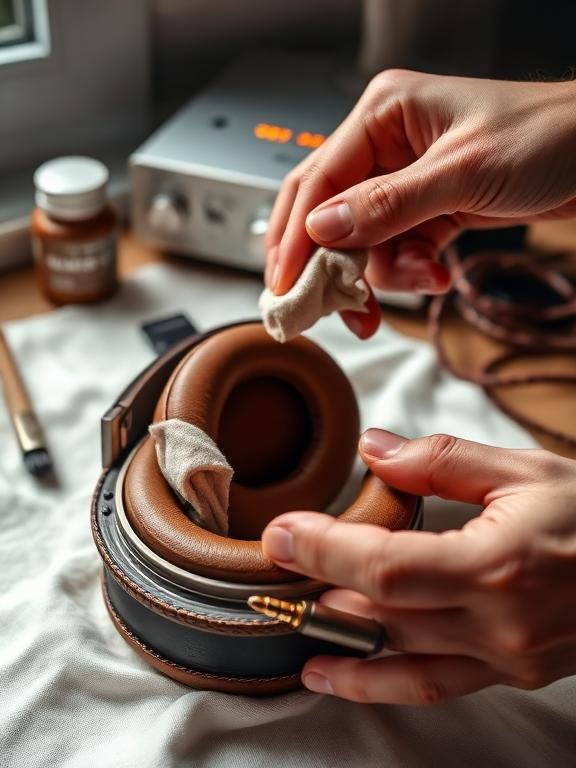
Getting the most out of vintage headphones requires a few important steps. Follow this guide to ensure you have the best possible experience.
Step 1: Check the condition before using any authentic vintage headphones. Inspect the ear pads for foam degradation, which is one of the most common issues with older headphones. If the foam is crumbling or flattened, you will need to replace the pads. Also check the headband padding and the cable for any visible damage.
Step 2: Clean everything carefully. Use a soft, slightly damp cloth to wipe down the headband and ear cups. Avoid getting moisture near the drivers or any openings. For leather pads, use a specialized leather cleaner. For foam pads, gentle soap and water can work, but replacement is usually a better option.
Step 3: Test the audio with a reliable source. Plug your vintage headphones into a device you trust and play familiar music. Listen for any distortion, channel imbalance, or crackling sounds. If you hear issues, the drivers may need professional servicing or the cable might require replacement.
Step 4: Use the right amplification. Many vintage headphones have higher impedance and benefit from a dedicated headphone amplifier. Even a modest desktop amp or a portable DAC/amp can significantly improve sound quality. Check the impedance rating of your headphones and match it with appropriate amplification.
Step 5: Break them in gently. Some vintage headphones that have not been used for years may sound a bit stiff at first. Play music at moderate volumes for several hours to let the drivers loosen up. This is especially true for headphones with older driver materials.
Step 6: Store them properly when not in use. Keep vintage headphones in a cool, dry place away from direct sunlight. Use a dedicated headphone stand or case to prevent cable damage and maintain the shape of the headband.
Step 7: Consider professional restoration if your vintage headphones need serious work. Many specialized shops can replace drivers, re-cable headphones, and restore ear pads to original condition. This investment can bring decades-old headphones back to life.
Best Product Recommendations
After extensive research and testing, here are the best vintage and retro headphones available in 2026 across different budgets and use cases.
1. Sony MDR-7506 – Best Overall Vintage Headphone
The Sony MDR-7506 has been a studio standard since 1991, and for good reason. These closed-back headphones deliver a neutral, balanced sound profile that professionals trust for critical listening. The 40mm drivers produce clear treble, present mids, and extended bass that remains accurate without being overwhelming. Weighing only 298 grams, they are comfortable for long sessions. The foldable design makes them portable, and the durable build ensures they last for years. At under $100, the MDR-7506 offers exceptional value for anyone seeking authentic vintage sound with modern reliability.
Pros: Studio-grade accuracy, proven durability since 1991, comfortable for extended wear, affordable price, foldable for portability
Cons: Not wireless, ear pads may need replacement over time, neutral sound may not suit bass lovers
2. Koss Porta Pro – Best Budget Retro Headphones
The Koss Porta Pro is a true legend. Unchanged since 1984, these on-ear headphones deliver surprisingly rich sound with deep bass and crisp highs. The unique temporal pads relieve pressure on your ears, making them comfortable despite the on-ear design. The retro black and silver aesthetic turns heads everywhere. At around $60, the Porta Pro offers incredible value for money. The wired design means no batteries to worry about, and the sound quality punches far above its price class.
Pros: Iconic retro design, excellent bass performance, very affordable, lightweight and comfortable, no battery concerns
Cons: On-ear design may not suit everyone, wired only (wireless version available), sound leakage due to open design
3. Sennheiser HD 600 – Premium Audiophile Choice
The Sennheiser HD 600 has been an audiophile favorite since 1997. These open-back headphones offer a natural soundstage and exceptional clarity that reveals every detail in your music. The 300-ohm impedance requires a good amplifier, but the payoff is outstanding. The velvet ear pads and lightweight design make them comfortable for hours of listening. With over 2,100 opinions on Reddit, the HD 600 is one of the most discussed and recommended headphones in the audiophile community.
Pros: Reference-grade sound quality, natural and spacious soundstage, comfortable for long sessions, legendary reputation
Cons: Requires a headphone amplifier, open-back design leaks sound, higher price point
4. FiiO EH11 – Best Modern Retro Wireless Headphones
The FiiO EH11 is proof that retro style and modern technology can coexist beautifully. These wireless on-ear headphones are inspired by iconic 1980s designs, featuring a transparent headband and wooden ear cups that double as tactile control knobs. The 40mm long-throw dynamic drivers deliver energetic lows with natural mids and highs. Support for LDAC provides near-lossless audio at up to 990 kbps. The FiiO Control app allows parametric EQ customization. At just $30, these are an absolute steal.
Pros: Stunning retro design with wooden ear cups, LDAC support for high-quality wireless audio, parametric EQ via app, very affordable, five color options
Cons: On-ear design may not suit everyone, iPhone users cannot use LDAC, battery life is moderate
5. Audio-Technica ATH-M50x – Best Modern Studio Classic
The Audio-Technica ATH-M50x has earned its reputation as a modern classic since its launch in 2014. These closed-back studio monitors deliver accurate sound with a slight bass boost that makes them enjoyable for both professional and casual listening. The 45mm drivers, detachable cables, and 180-degree swiveling ear cups make them incredibly versatile. At 38 ohms impedance, they work well with most devices without an amplifier. The build quality is excellent, and replacement parts are readily available.
Pros: Versatile studio-grade sound, detachable cables, works without an amplifier, durable construction, excellent value
Cons: Not truly vintage (modern design), clamping force may be strong for some, ear pads can get warm
📊 Comparison Table
| Product | Price Level | Key Feature Highlight | Best Use Case | Who It Is Best For |
|---|---|---|---|---|
| Sony MDR-7506 | Mid | Studio-grade neutral sound, foldable design | Critical listening, studio monitoring, mixing | Professionals, audio engineers, serious listeners |
| Koss Porta Pro | Low | Iconic retro design, deep bass, 40-year legacy | Casual listening, portable use, everyday music | Beginners, budget-conscious buyers, retro enthusiasts |
| Sennheiser HD 600 | High | Reference-grade open-back sound, natural soundstage | Audiophile listening, critical evaluation, home use | Audiophiles, collectors, those with dedicated amps |
| FiiO EH11 | Low | Wireless with LDAC, wooden ear cups, parametric EQ | Casual wireless listening, style-focused users | Modern listeners wanting retro looks, budget buyers |
| Audio-Technica ATH-M50x | Mid | Versatile studio monitor, detachable cables | Studio work, portable monitoring, general listening | Musicians, content creators, all-around users |
Buying Guide: What to Check Before Purchase
Before investing in vintage or retro headphones, consider these important factors.
Condition is everything with authentic vintage headphones. Check for foam degradation in ear pads, cracks in the headband, and any signs of driver damage. If possible, test the headphones before buying to ensure both channels work properly and there is no distortion.
Authenticity matters if you are buying vintage. Some sellers label modern replicas as vintage. Research the specific model you are interested in and learn to identify genuine units. Look for serial numbers, original packaging, and other indicators of authenticity.
Connectivity is another crucial consideration. Vintage headphones typically use 3.5mm or 6.35mm jacks. Ensure you have the right adapters for your devices. Modern retro headphones offer Bluetooth, USB-C, or both, giving you more flexibility.
Comfort should not be overlooked. Vintage headphones were designed for different ergonomic standards. Try them on if possible, or read reviews about comfort levels. Pay attention to clamping force, ear pad material, and overall weight.
Sound signature varies dramatically between models. Some vintage headphones offer warm, musical sound while others are analytical and neutral. Know your preference before buying. If you enjoy bass-heavy music, look for models known for good low-end response. If you prefer classical or acoustic music, prioritize soundstage and clarity.
Price ranges from under $30 for modern retro headphones like the FiiO EH11 to several hundred dollars for premium vintage models. Set a realistic budget and stick to it. Remember that authentic vintage headphones may require additional investment for restoration or replacement parts.
Warranty and support are worth considering. Authentic vintage headphones rarely come with warranties. Modern retro headphones typically include manufacturer warranties, giving you peace of mind.
Who Should Buy vs Who Should Avoid
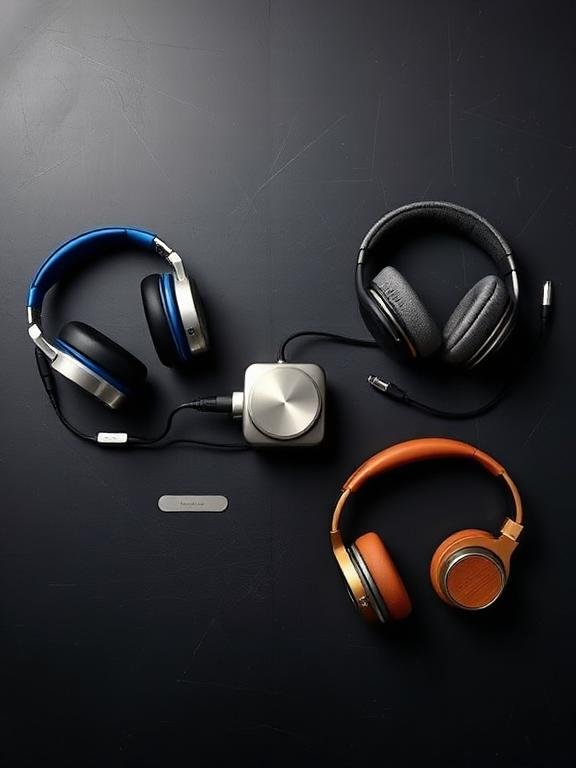
Vintage headphones are not for everyone. Understanding who benefits most and who should look elsewhere will help you make the right decision.
Buy vintage headphones if: You appreciate warm, natural sound over ultra-detailed analytical sound. You love retro aesthetics and want headphones that make a style statement. You are willing to invest time in maintenance and possibly restoration. You want a durable product that will last for years or even decades. You are curious about how music sounded in past decades and want to experience it authentically.
Avoid vintage headphones if: You need active noise cancellation for commuting or travel. You prioritize convenience above all else and cannot deal with wired connections. You are not interested in maintaining or caring for your audio equipment. You prefer heavily processed, bass-boosted sound signatures. You want the latest features like touch controls and voice assistants.
Modern retro headphones are ideal for: People who love the vintage look but want modern convenience. Those who want wireless connectivity and modern features without sacrificing style. Beginners who want to dip their toes into retro audio without the complexity of authentic vintage gear. Budget-conscious buyers who want great sound and unique design at affordable prices.
FAQ Section
What is the difference between vintage and retro headphones?
Vintage headphones are authentic units manufactured in past decades, typically before the year 2000. Retro headphones are modern products designed to look like vintage models while incorporating contemporary technology. Vintage offers authentic sound and historical value, while retro provides vintage aesthetics with modern convenience.
Are vintage headphones better than modern ones?
It depends on what you value. Vintage headphones often deliver warmer, more natural sound with less listening fatigue. Modern headphones typically offer better technical performance, lower distortion, and more features like wireless connectivity. Neither is objectively better; they serve different preferences and use cases.
Do vintage headphones work with smartphones?
Yes, most vintage headphones use standard 3.5mm jacks that work with smartphones. If your phone lacks a headphone jack, you will need a USB-C to 3.5mm adapter. Some vintage headphones use larger 6.35mm jacks, which require a step-down adapter. Modern retro headphones often include Bluetooth for wireless smartphone connectivity.
How long do vintage headphones last?
With proper care, vintage headphones can last for decades. The drivers themselves are quite durable. The most common issues are foam degradation in ear pads, cable wear, and headband padding deterioration. Most of these parts can be replaced or restored, extending the life of your headphones significantly.
What should I look for when buying used vintage headphones?
Check the condition of ear pads for crumbling foam. Inspect the headband for cracks or damage. Test both audio channels for proper function. Listen for distortion or crackling sounds. Verify the impedance matches your equipment. Ask about the headphones’ history and whether any repairs have been made.
Conclusion
Vintage headphones offer something that modern audio equipment often misses: character, warmth, and a genuine connection to music. Whether you choose authentic vintage units like the Sony MDR-7506 or modern retro headphones like the FiiO EH11, you are investing in a listening experience that goes beyond specs and features.
The best choice depends on your personal preferences, budget, and how you plan to use your headphones. For studio work and critical listening, the Sony MDR-7506 remains unmatched in its price range. For budget-conscious buyers who want iconic retro style, the Koss Porta Pro delivers incredible value. Audiophiles seeking reference-grade sound should look at the Sennheiser HD 600. If you want vintage looks with wireless convenience, the FiiO EH11 is hard to beat at $30.
Take your time, do your research, and choose the headphones that speak to you. The right pair of vintage or retro headphones can transform how you experience music, bringing back the joy and emotional connection that made you fall in love with listening in the first place.
Read More On Tech Do Action

Haseeb Ur Rehman Lali is the lead technical author at TechDoAction, known for decoding the latest advancements in Artificial Intelligence and Software and Security Solutions for a global audience. His research-driven articles on AI frameworks and software solutions remain some of the site’s most trusted resources. He also leads Tech Gift Guides, applying the same research-first approach to help readers find gear worth packing or gifting. His mission stays the same: turn complex choices into clear, practical knowledge readers can use immediately.